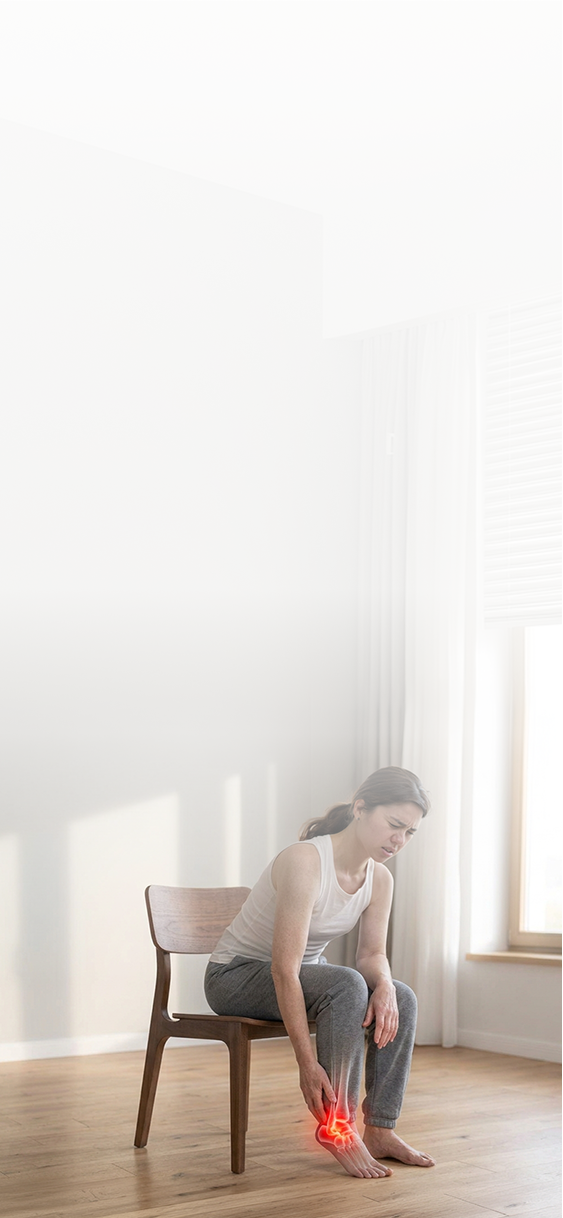
A Personalised Assessment First

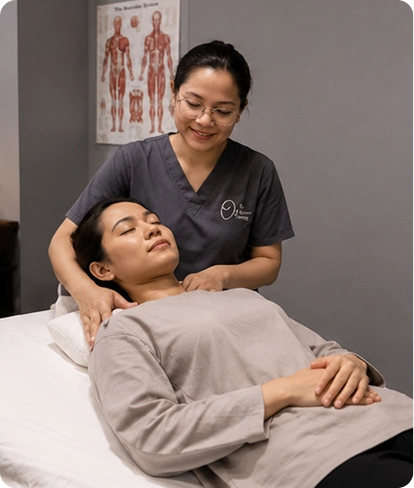
Your first visit starts with a personalised assessment to understand your symptoms, movement and individual circumstances. We then explain what we find and whether our assessment-led approach may be suitable for you.

700+ Google  Reviews

700+ Google Reviews

22,000+ Clients Supported

22,000+ Clients Supported

TTDI & KLCC, Kuala Lumpur, Malaysia

TTDI & KLCC, Kuala Lumpur, Malaysia

Established  Since 2015

Established Since 2015

Icons -Trust Bar Item (9)

Physiotherapists Trained in Bowen

Free No-Obligation Consultation

Free No-Obligation Consultation

Heel Pain

What Is Plantar Fasciitis & Heel Pain?

Plantar fasciitis is one of the most common causes of pain affecting the underside of the foot, particularly around the heel and arch, although symptoms can extend into other areas of the sole.

Many people describe sharp pain under the heel when taking their first steps in the morning or after periods of rest. However, not all heel pain is caused by plantar fasciitis. Other structures in the foot and ankle can produce similar symptoms, which is why understanding what you’re experiencing through a thorough assessment is an important first step before deciding the most appropriate course of action.

service-info-icon-1

The Plantar Fascia

The plantar fascia is a strong band of connective tissue that runs from the heel bone towards the toes. It helps support the arch of the foot and assists with absorbing and transferring forces during standing, walking and running.

When the area becomes irritated, everyday activities such as walking, standing or exercising may become uncomfortable

service-info-icon-1

How Plantar Fasciitis & Heel Pain Can Feel

Symptoms vary from person to person and may develop gradually or appear after increased activity levels.

People may notice:

  • Sharp pain beneath the heel
  • Pain with the first steps after getting out of bed
  • Pain or pulling through the arch of the foot
  • Discomfort along the sole of the foot
  • Tightness through the foot, calf or Achilles area
  • Symptoms after prolonged standing, walking, or running
  • A bruised feeling under the heel, the sensation of walking on a pebble, or a sharp feeling similar to standing on a piece of glass

Every person’s experience is different.

Numbness, tingling, or burning sensations in the foot are not typical of plantar fasciitis and may have another cause, including nerve involvement. If you are experiencing these symptoms, appropriate medical assessment is the right first step

service-info-icon-1

Why Symptoms Can Occur

Plantar fasciitis-type symptoms are often associated with repeated loading through the foot, although there isn’t always a single reason why symptoms develop.
Factors such as changes in activity levels, prolonged standing, running, footwear, calf tightness, foot mechanics, and previous injuries may all be relevant. Because not all heel pain is plantar fasciitis, a thorough assessment helps build a clearer understanding of your individual presentation.

service-info-icon-1

Why an Assessment Matters

Every person experiences foot and heel pain differently.
During your assessment, we take the time to understand your symptoms, relevant history, posture, walking pattern, and movement. Depending on your presentation, we may also assess your feet, ankles, calves, and other areas that may be relevant to understanding how your body is moving.
This assessment-led approach helps us build a clearer understanding of your individual situation before discussing whether Bowen Therapy approach may be appropriate for your needs.
This is why at My Bowen Therapy, plantar fasciitis treatment in our KL centres starts with understanding your individual presentation, not with assuming what is causing it.

service-info-icon-1

The Plantar Fascia

The plantar fascia is a strong band of connective tissue that runs from the heel bone towards the toes. It helps support the arch of the foot and assists with absorbing and transferring forces during standing, walking and running.

When the area becomes irritated, everyday activities such as walking, standing or exercising may become uncomfortable

service-info-icon-1

How Plantar Fasciitis & Heel Pain Can Feel

Symptoms vary from person to person and may develop gradually or appear after increased activity levels.

People may notice:

  • Sharp pain beneath the heel
  • Pain with the first steps after getting out of bed
  • Pain or pulling through the arch of the foot
  • Discomfort along the sole of the foot
  • Tightness through the foot, calf or Achilles area
  • Symptoms after prolonged standing, walking, or running
  • A bruised feeling under the heel, the sensation of walking on a pebble, or a sharp feeling similar to standing on a piece of glass

Every person’s experience is different.

Numbness, tingling, or burning sensations in the foot are not typical of plantar fasciitis and may have another cause, including nerve involvement. If you are experiencing these symptoms, appropriate medical assessment is the right first step

service-info-icon-1

Why Symptoms Can Occur

Plantar fasciitis-type symptoms are often associated with repeated loading through the foot, although there isn’t always a single reason why symptoms develop.
Factors such as changes in activity levels, prolonged standing, running, footwear, calf tightness, foot mechanics, and previous injuries may all be relevant. Because not all heel pain is plantar fasciitis, a thorough assessment helps build a clearer understanding of your individual presentation.

service-info-icon-1

Why an Assessment Matters

Every person experiences foot and heel pain differently.
During your assessment, we take the time to understand your symptoms, relevant history, posture, walking pattern, and movement. Depending on your presentation, we may also assess your feet, ankles, calves, and other areas that may be relevant to understanding how your body is moving.
This assessment-led approach helps us build a clearer understanding of your individual situation before discussing whether Bowen Therapy approach may be appropriate for your needs.
This is why at My Bowen Therapy, plantar fasciitis treatment in our KL centres starts with understanding your individual presentation, not with assuming what is causing it.

Why Choose My Bowen Therapy for Plantar Fasciitis & Heel Pain?

At My Bowen Therapy, we take an individual, assessment-led approach to plantar fasciitis-type symptoms, heel pain and foot discomfort. We take the time to understand your symptoms, movement and relevant history before tailoring your care.
Comprehensive Assessment

Assessment-Led Care

We begin by listening to your story and considering your symptoms, relevant history, posture and movement before deciding what may be appropriate for you.

Multidisciplinary Team

Experienced, Consistent Approach

Our therapists come from physiotherapy and sports science backgrounds and are all trained in our Bowen approach, working to shared My Bowen Therapy standards.

Whole-Body Approach

Fascia-Focused, Whole-Body Approach

Symptoms are not always experienced only where a disc change has been identified. Where relevant, we may assess movement and muscular or fascial tension in other areas of the body rather than focusing solely on one part of the spine.

Focused on Understanding

Personalised Care

Heel pain can present differently from person to person. Your care is tailored to your assessment findings, individual needs and how your body responds.

Established Since 2015

Established in 2015

My Bowen Therapy has been established in Kuala Lumpur since 2015 and has supported more than 22,000 clients. Our two centres, in Damansara (TTDI) and KLCC, see people for plantar fasciitis treatment in Kuala Lumpur and for heel and foot pain treatment from across Malaysia.

Trusted Across Kuala Lumpur

Founder-Led Standards

Our therapists follow shared My Bowen Therapy standards developed by founder Lorna Mair, supporting a consistent approach to assessment and personalised care.

Trusted by Clients Across Kuala Lumpur

Public Google  Reviews

700+

Public Google Reviews
Centre Reviews

3,500+

Verified In-Centre Reviews
Combined Client Reviews

4,200+

Combined Client Reviews

22,000+

Clients Supported
star star star star star

I have discovered Bowen Therapy from Google whilst looking for non-invasive treatment to help me with plantar fasciitis pain I have been having few months ago.

I was introduced to the therapy by Ala, one of the Senior Therapist at Bowen TTDI. Ala has done a good job in explaining how Bowen Therapy works by encouraging the body’s natural healing response, which matched my gradual but steady improvement. She is attentive and highly skilled. I highly recommend Ala as therapist.

What I appreciated most about Bowen Therapy is how non-invasive the therapy was. After first session, I noticed reduced tension in my feet/leg and especially in the shoulder and upper back area. My overall muscle tightness has improved gradually after a few sessions. Maintenance sessions is recommended for further improvement.

I would recommend Bowen Therapy for anyone looking for non-invasive treatment to treat any muscle tension/tightness issue, feet pain etc.

star star star star star

Came for heel pain, went back home feeling lighter for whole body. I’ve done two sessions with Ma. Ala, each session is nice, courteous, and friendly. The improvement on the heel pain can be felt since first session. I had heel pain for a week, spread to whole heel sole, sometimes around ankle too, and must use sandals to work around the house. After 1st session, the pain hugely reduced that only when i tiptoed it can be felt. Even then i could walk barefoot again around the house, and could walk fast again like i used to. Recommended. She even helped to reduce the tightness feeling on my back. Am thinking to continue with maintenance session. Really recommended

star star star star star

I originally came in because of headaches caused by a stiff neck and shoulders. I really appreciated that my concerns were listened to carefully and that every session began with an assessment. Each appointment felt personalised, and the approach was adapted to how my body was responding.

Awards & Recognition

Readers’ Choice 2019

Winner, Natural Health Readers’ Choice Awards 2019.

Readers’ Choice 2018

Winner, Natural Health Readers’ Choice Awards 2018.

Superbrands 2016

Named Superbrands Malaysia’s Choice in 2016.

FHT Excellence 2016

Finalist, FHT Complementary Therapist of the Year 2016.

Natural Health

Featured in Natural Health Malaysia on complementary wellbeing.

RunSociety

Featured in RunSociety on Lorna Mair’s Bowen Therapy techniques.

BFM 89.9

Featured on BFM 89.9 Health & Living discussing Bowen Therapy.

tab-feature

Why We Take a Full Body Assessment Before Therapy Starts

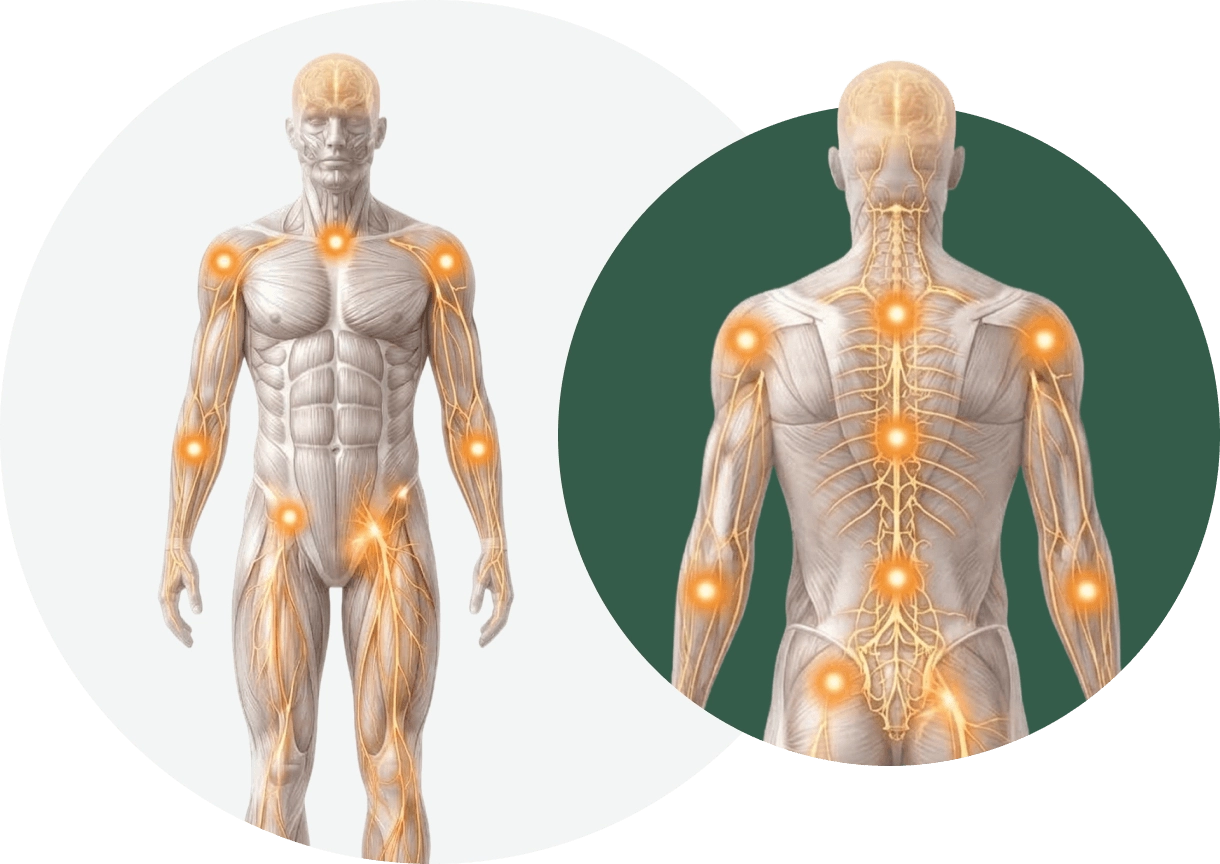
Foot pain, heel pain and plantar fasciitis-type symptoms don’t always involve the foot alone. Changes in the way you walk, stand and move can influence how forces travel through the feet, ankles, calves, knees, hips and lower back. Likewise, tension or movement restrictions elsewhere in the body may affect how the foot is loaded during everyday activities.

Because every person’s symptoms and movement patterns are different, we begin every appointment with a thorough whole-body assessment rather than focusing only on the area where you feel pain. We take the time to understand your symptoms, activity levels, posture, movement and relevant history before discussing whether our assessment-led Bowen Therapy approach may be appropriate for your individual needs.

By looking at how your body works as a connected system, we can build a clearer picture of what you’re experiencing and develop a personalised plan based on your assessment findings.

Looking Beyond the Symptoms

Your therapist may assess areas beyond where you feel your symptoms. Depending on what we find, treatment may involve gentle Bowen moves around the back, pelvis, hips, legs, neck or other relevant areas of the body.
Looking-Beyond-the-Symptoms

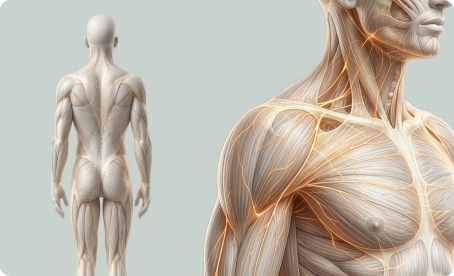
Understanding Fascia

Our assessment-led, fascia-focused approach aims to:
  • Reduce muscular and fascial tension
  • Support more comfortable movement and mobility
  • Address areas of guarding or restriction identified during your assessment
  • Support the way your body manages movement and physical load
Understanding-Fascia

Why It Matters

Treatment is individualised. Two people with the same MRI finding or disc diagnosis may have very different symptoms, movement patterns and areas of tension, so they may not receive the same treatment.
why it matters

Empowering You Through Understanding

Bowen Therapy should not replace appropriate medical assessment or treatment where this is required.
Empowering-You-Through-Understanding
Looking Beyond the Symptoms
Looking-Beyond-the-Symptoms

Looking Beyond the Symptoms

Your therapist may assess areas beyond where you feel your symptoms. Depending on what we find, treatment may involve gentle Bowen moves around the back, pelvis, hips, legs, neck or other relevant areas of the body.
Understanding Fascia
Understanding-Fascia

Understanding Fascia

Our assessment-led, fascia-focused approach aims to:
  • Reduce muscular and fascial tension
  • Support more comfortable movement and mobility
  • Address areas of guarding or restriction identified during your assessment
  • Support the way your body manages movement and physical load
Why It Matters
why it matters

Why It Matters

Treatment is individualised. Two people with the same MRI finding or disc diagnosis may have very different symptoms, movement patterns and areas of tension, so they may not receive the same treatment.
Empowering You Through Understanding
Empowering-You-Through-Understanding

Empowering You Through Understanding

Bowen Therapy should not replace appropriate medical assessment or treatment where this is required.

Understanding Possible Causes of Plantar Fasciitis & Heel Pain

Foot pain, heel pain, and plantar fasciitis-type symptoms can develop for a variety of reasons. In many cases, discomfort may involve the plantar fascia, surrounding muscles, tendons or other structures that support the foot during standing and walking.

Because similar symptoms can occur for different reasons, it’s important not to assume that everyone experiencing heel pain has the same underlying cause. A thorough assessment helps us better understand the factors that may be contributing to your individual symptoms.

service-feature-icon-1

Loading, Activity & Exercise

Running, long periods of standing, walking on hard surfaces or sudden increases in activity may place greater demands on the tissues of the foot. For some people, these changes may contribute to the development of heel pain or plantar fasciitis-type symptoms.

service-feature-icon-1

Calf Tightness & Foot Mechanics

The way your foot moves, together with flexibility through the calves and ankles, may influence how forces are distributed through the heel and arch during everyday activities. These are factors we consider during your assessment where relevant.

service-feature-icon-1

Footwear & Daily Demands

Supportive footwear may be helpful for some people, while others notice symptoms are influenced by prolonged standing, occupational demands or spending time barefoot on hard surfaces. These factors are discussed as part of your assessment rather than being assumed to be the cause.

service-feature-icon-1

Previous Injuries & Movement Patterns

Previous foot, ankle or lower limb injuries may influence the way you walk or move. We also consider posture and wider movement patterns where relevant, recognising that every person’s movement strategy is different. Some people come to us from across Malaysia after a foot or ankle injury has already been medically assessed, but they are still experiencing stiffness, altered walking or discomfort that has not settled as expected.

service-feature-icon-1

Every Person Is Different

Activity levels, previous injuries, occupation, footwear, movement patterns and general health may all play a role in the symptoms someone experiences. Rather than making assumptions based on symptoms alone, we take the time to understand your individual circumstances before discussing whether our assessment-led Bowen Therapy approach may be appropriate for your needs.

Common Plantar Fasciitis & Heel Pain Symptoms

Plantar fasciitis-type symptoms can vary from person to person. Some people notice discomfort only with their first few steps in the morning, while others experience heel or arch pain that affects walking, standing, exercise, or everyday activities.

Symptoms may change throughout the day and can become more noticeable after periods of rest, prolonged standing or increased activity. Because similar symptoms can occur with different conditions affecting the foot and heel, an individual assessment is important.

service-info-icon-2

First-Step Heel Pain

Many people describe a sharp or stabbing pain when taking their first few steps after getting out of bed or standing after a period of rest. For some, the discomfort eases as they continue moving before becoming more noticeable again later in the day.

service-info-icon-2

Foot, Heel & Arch Pain

Pain may be felt beneath the heel, through the arch of the foot or along the sole. Some people describe the sensation as a bruise, while others notice aching, tenderness or discomfort when standing or walking.

service-info-icon-2

Tightness Through the Foot & Calf

Some people notice tightness under the foot, through the calf or around the Achilles tendon, particularly after activity or prolonged periods of sitting. These symptoms can sometimes occur alongside heel pain.

service-info-icon-2

Symptoms Can Change

Plantar fasciitis-type symptoms don’t always remain the same. Some people notice them more after prolonged standing, walking, running or exercise, while others find their symptoms vary from day to day.
Every person’s experience is different, which is why a thorough assessment is important before assuming the cause of your symptoms.

service-info-icon-2

First-Step Heel Pain

Many people describe a sharp or stabbing pain when taking their first few steps after getting out of bed or standing after a period of rest. For some, the discomfort eases as they continue moving before becoming more noticeable again later in the day.

service-info-icon-2

Foot, Heel & Arch Pain

Pain may be felt beneath the heel, through the arch of the foot or along the sole. Some people describe the sensation as a bruise, while others notice aching, tenderness or discomfort when standing or walking.

service-info-icon-2

Tightness Through the Foot & Calf

Some people notice tightness under the foot, through the calf or around the Achilles tendon, particularly after activity or prolonged periods of sitting. These symptoms can sometimes occur alongside heel pain.

service-info-icon-2

Symptoms Can Change

Plantar fasciitis-type symptoms don’t always remain the same. Some people notice them more after prolonged standing, walking, running or exercise, while others find their symptoms vary from day to day.
Every person’s experience is different, which is why a thorough assessment is important before assuming the cause of your symptoms.

Meet Our Therapy Team

Senior Therapist Hafiy

Senior Therapist Hafiy

Read Bio Arrow
Senior Therapist Hanan

Senior Therapist Hanan

Read Bio Arrow
Senior Therapist Nurul

Senior Therapist Nurul

Read Bio Arrow
Senior Therapist Olivia

Senior Therapist Olivia

Read Bio Arrow
Senior Therapist Ala

Senior Therapist Ala

Read Bio Arrow
Senior Therapist Aazeen

Senior Therapist Aazeen

Read Bio Arrow

Not Sure Whether Bowen Therapy Is Right for You?

Every person experiences foot pain, heel pain, or arch pain differently. That’s why every consultation begins with a thorough assessment. We’ll discuss your symptoms, relevant health and injury history, daily activities and any factors that may be contributing to your heel or foot discomfort. We’ll also observe your posture, walking pattern and movement, and assess factors that may be relevant to what you’re experiencing. We then develop a personalised support plan tailored to your individual needs and goals.

speech-bubble

We Listen

We take the time to understand your symptoms, concerns, relevant health history, previous injuries and goals.

research

We Observe

We observe your posture and movement to build a clearer picture of your individual needs.

analysis

We Assess

We assess factors that may be relevant to your symptoms, including movement patterns, muscle tension and scar tissue where appropriate.

witness

We Explain

We explain our findings in clear, straightforward language and answer any questions you may have.

clipboard

We Create Your Support Plan

Based on your assessment, we develop a personalised support plan tailored to your individual needs and goals.

social care

We Begin Your Care

If you decide to proceed, we’ll begin your personalised Bowen Therapy sessions and continue to monitor how your body responds throughout your care.

The My Bowen Therapy Approach to Plantar Fasciitis & Heel Pain

Every person experiences heel and foot pain differently. That’s why every consultation begins with a thorough assessment. We’ll discuss your symptoms and relevant injury history, observe your posture and walking pattern, and assess movement through your ankles, calves, knees and hips where appropriate. We then develop a personalised support plan tailored to your individual needs.

My Bowen Therapy Approach
Precise Hands-On Techniques

Precise Hands-On Techniques

Targeted Bowen Therapy movements are applied over muscles, fascia and other soft tissues according to your individual needs.

Foot, Heel & Surrounding Tissues

Foot, Heel & Surrounding Tissues

Treatment may involve the foot, heel, calf and surrounding soft tissues depending on your assessment findings.

Looking Beyond the Foot

Looking Beyond the Foot

Your therapist may also work with other areas identified as relevant during your assessment.

Adapted Throughout Your Care

Adapted Throughout Your Care

Treatment can be adjusted according to your movement, comfort and response.

What to Expect During Your My Bowen Therapy Session

target

Tailored to You

Every session is tailored to your individual needs based on your assessment and how your body responds.

Woman

Remain Fully Clothed

Wear comfortable clothing that allows your therapist to assess and work effectively. Shorts, leggings, tracksuit bottoms or loose-fitting sportswear are ideal.

Pray

Gentle Hands-On Treatment 

Your therapist uses gentle Bowen Therapy movements while continuing to observe your body’s response throughout the session.

Optimistic

Comfort Comes First

Most people find Bowen Therapy relaxing. Treatment is always adapted to your comfort levels, and any tenderness is usually temporary.

Witness

Before You Leave

Your therapist explains their findings, discusses the next steps and, where appropriate, provides simple exercises or practical advice to support your progress between sessions.

Ready to Take the Next Step?

Frequently Asked Questions

Bowen Therapy does not cure plantar fasciitis or replace medical diagnosis or treatment. For some people, it may be used as complementary care to support comfort, movement and soft tissue tension associated with plantar fasciitis-type symptoms, heel pain and foot discomfort. Every appointment begins with a thorough assessment to determine whether our assessment-led Bowen Therapy approach may be appropriate for your individual needs.

Yes. Although many people experience pain beneath the heel, others notice discomfort through the arch, sole or other areas of the foot. Symptoms vary considerably between individuals, which is why an assessment is important rather than assuming everyone experiences plantar fasciitis in the same way.

Many people describe plantar fasciitis as a sharp pain under the heel, particularly with the first few steps after getting out of bed or following a period of rest. Others experience discomfort through the arch or sole of the foot, tightness beneath the foot, or describe the sensation as walking on a pebble, standing on a piece of glass, or having a bruised area beneath the heel. Symptoms vary from person to person.

No. Heel pain can have many possible causes. Conditions affecting the Achilles tendon, nerves, joints, bones, and other soft tissues may produce similar symptoms. Because different conditions can feel alike, we recommend a thorough assessment before assuming the cause of your heel pain.

No. While we assess the foot and heel, we also consider your posture, walking pattern and movement where relevant. Depending on your individual presentation, this may include assessing areas such as the ankles, calves, knees, hips and lower back to build a clearer understanding of your symptoms.

Not the same thing, though the two are often mentioned together. A heel spur is a small bony growth on the heel bone, usually identified on an X-ray, while plantar fasciitis describes irritation of the band of connective tissue along the underside of the foot. Someone can have one without the other, and heel spurs are frequently found in people with no heel pain at all. Whatever you have been told, our assessment focuses on the symptoms you are experiencing and how your foot, ankle and calf are moving.

Sometimes. Where a foot or ankle injury has already been medically assessed and you are left with stiffness, altered walking or discomfort that has not settled, an assessment can help us understand how you are moving now and whether Bowen Therapy may be appropriate. 

We have two Kuala Lumpur locations, Damansara (TTDI) and KLCC. Both offer a free initial consultation with no obligation to continue, and both are within reach of the surrounding areas including Bangsar, Mont Kiara and Petaling Jaya. People also travel to us for plantar fasciitis treatment from across Malaysia.

You should seek appropriate medical assessment if you experience severe pain, significant swelling, are unable to bear weight, develop symptoms following a significant injury, or if your symptoms are persistent, worsening or causing concern. 

Our Kuala Lumpur Locations

Visit My Bowen Therapy at our two convenient Kuala Lumpur locations for gentle, hands-on Bowen Therapy support with pain, posture, tension and movement concerns.

map-in

Damansara / TTDI Area

Glomac Damansara Block A, Level 2, Unit 5 A-02-05, Jalan Damansara, 60000 Kuala Lumpur
  • Location-icon Next to TTDI MRT station
  • Travel-icon Convenient for TTDI, Bangsar, Mont Kiara and for anyone travelling from Petaling Jaya.
  • Lift-icon Lift access available
  • Time-icon Open daily, 9:00am–5:00pm
map-in

KLCC / Etiqa Twins

KLCC-Etiqa Twins, Main Podium Level 2, Unit 2.5 11 Jalan Pinang, 50450 Kuala Lumpur.
  • Location-icon A short walk from KLCC, Bukit Bintang and the surrounding city-centre offices.
  • Travel-icon Convenient for office workers
  • Lift-icon Escalator & lift access available
  • Time-icon Open Tuesday–Thursday : 9:00am–5:00pm

Ready to Take the First Step?

Book your FREE Consultation and Posture Assessment to find out whether the My Bowen Therapy approach may be right for you.

Your consultation includes

  • Discussion about your symptoms
  • Personalised posture and movement assessment
  • Opportunity to ask questions
  • Personalised recommendations

Book Your Free Consultation

Not Sure if My Bowen Therapy Is Right for You?
That’s exactly why your consultation is free. If we don’t believe our assessment-led approach is the right fit for your needs, we’ll tell you honestly and discuss the next steps.