


All
Back Pain
Neck Pain
Shoulder
Knee Pain
Sciatica
Sleep Stress Anxiety
Plantar Fasciitis
Hip Pain
Anxiety Treatment
Slipped Disc
Jaw Pain
Scoliosis
Other Conditions
Sports Injury
Carpal Tunnel & Wrist
Headache & Migraines
Scar Tissue
Arthritis
Yes. Your first consultation is completely free with no obligation to continue. It gives you the opportunity to discuss your concerns, ask questions and understand your options.
Yes. You can message us directly on WhatsApp to ask questions or arrange your free consultation at either Kuala Lumpur location.
Bowen Therapy is commonly chosen by people seeking support for back pain, neck pain, shoulder tension, knee discomfort, plantar fasciitis, posture concerns, sciatica-type symptoms and general movement stiffness.
My Bowen Therapy was founded by Lorna Mair in 2015 with the vision of creating a professional, assessment-led Bowen Therapy centre in Kuala Lumpur. Since then, the centre has supported more than 22,000 clients through a gentle, whole-body approach to pain, posture and movement.
Our approach is assessment-led because we don’t believe every person with similar symptoms should automatically receive the same treatment. While our work is grounded in the core principles of Bowen Therapy, every session begins with an individual assessment. We observe posture, movement and compensation patterns, and use palpation to assess soft tissue tension before deciding which Bowen techniques may be most appropriate. This allows every treatment to be tailored to the individual rather than applying the same sequence of techniques for everyone with similar symptoms The result is a thoughtful, personalised approach that remains true to the gentle, non-invasive principles of Bowen Therapy.
While Bowen Therapy remains our primary hands-on therapy, treatment at My Bowen Therapy is never based solely on a person’s symptoms. Every client begins with an individual assessment, including posture, movement, palpation, fascia and soft tissue assessment, to help us understand how the body is functioning as a connected system. These findings guide the treatment approach for that individual, allowing our therapists to select the most appropriate Bowen techniques and, where appropriate, incorporate additional approaches including scar release work, movement advice or rehabilitation exercises.
Our team includes therapists with backgrounds in physiotherapy, sports science and rehabilitation. Every therapist receives comprehensive training in the My Bowen Therapy approach and follows the same founder-led standards. We are committed to ongoing professional development, ensuring a consistent, assessment-led experience across both centres.
Every person is different. Some clients notice changes after one or two sessions, while others may benefit from a longer course of care depending on their symptoms, posture, movement patterns and individual circumstances. Following your assessment, your therapist will discuss their findings, recommendations and suggested treatment plan with you.
The freezing phase is commonly reported as lasting around 2 to 9 months, the frozen phase around 4 to 12 months, and the thawing phase around 6 months to 2 years. The American Academy of Orthopaedic Surgeons (AAOS) notes full recovery may take up to three years. Individual experiences vary considerably.
Often there is no clear trigger. It is reported more commonly after a period of reduced shoulder movement, between the ages of about 40 and 60, in women, and in people with diabetes or thyroid conditions. These are observed associations rather than certainties.
Yes. Adhesive capsulitis is the clinical name for the same condition. Both describe a shoulder capsule that has become inflamed and tightened, with movement gradually reduced in most directions.
The pain and stiffness will usually go away eventually, though this can take months or years. It is still worth having the shoulder assessed, as other conditions can present similarly.
Generally no. It is advised to move the shoulder gently while avoiding movements that cause pain. Forcing the arm past that point often aggravates symptoms, and a professional can help you judge where the limit sits.
Bowen Therapy is one gentle, hands-on method that may be considered where an assessment identifies soft tissue tension or compensation in the surrounding areas. It is not claimed to treat or shorten the condition, and it works alongside medical care rather than replacing it.
Most commonly, a change in training load the lower leg has not adapted to, such as increasing distance or pace too quickly, returning after a break at your previous level, harder surfaces, or worn footwear. Tight calves and limited ankle movement may also contribute.
Because rest settles the pain without changing what caused it. Tissue tolerance also rebuilds more slowly than symptoms fade, so returning at your previous training volume applies the same load to a less prepared leg.
Shin splint pain is typically spread over an area more than five centimetres across and eases with rest. Pinpoint pain on the bone, pain at rest or at night, or pain worsening despite less training need medical assessment. Only a professional can confirm which it is.
Build training load gradually, return below your previous level after a break, vary surfaces, replace worn shoes, keep the calves, ankles and hips working well, and adjust early rather than running through a niggle.
The NHS advises not continuing the exercise that caused them, and switching to gentler activity while healing. Running through sharp or worsening shin pain is not advisable. If it is not improving with rest, have it assessed.
Bowen Therapy is one gentle, hands-on method that may be considered where an assessment identifies soft tissue tension or compensation in the lower limb. It is not claimed to treat shin splints or prevent recurrence, and it works alongside medical care rather than replacing it.
This varies depending on your individual physical presentation, how long you have been experiencing your symptoms, and how you respond to treatment.
Your therapist will discuss their recommendations with you after your assessment rather than prescribing the same number of sessions for everyone.
Bowen Therapy does not treat or cure arthritis itself. Our approach focuses on associated joint pain, stiffness, muscular and fascial tension, and supporting more comfortable movement.
We regularly see clients living with rheumatoid arthritis who come to us for support with associated pain, stiffness, and movement difficulties. Bowen Therapy does not treat the underlying autoimmune condition or replace appropriate medical care.
For people with osteoarthritis, Bowen Therapy may help with associated muscular and fascial tension, stiffness and movement. Bowen Therapy does not treat the underlying osteoarthritis itself.
Clients come to us with discomfort affecting areas including the hands, fingers, wrists, shoulders, back, hips, knees, ankles and feet. Joint pain can have many causes, so our approach is based on your individual symptoms and assessment.
We have two Kuala Lumpur locations, Damansara (TTDI) and KLCC. Both offer a free initial consultation. Our focus is on the joint pain, stiffness and muscular tension that can accompany arthritis, alongside the medical care you are already receiving for the condition itself.
Posts not found
Not necessarily. Depending on your assessment findings, your therapist may work around the back as well as related areas such as the hips, pelvis or legs.
Yes. Back pain can affect different areas, including the upper, middle or lower back. Your assessment considers where you feel your symptoms as well as the posture and movement findings that may be relevant to your presentation.
This varies from person to person, so we cannot determine the number of sessions you may need before assessing you. Your therapist can discuss an appropriate plan with you based on your presentation and progress.
Pain that travels from the lower back into the buttock or leg can have different explanations. If your symptoms are consistent with sciatica, you may also find our dedicated Sciatica information helpful.
Back pain is a common experience during pregnancy, as posture and load through the back and pelvis change. Bowen Therapy is a gentle approach, and your therapist will adapt positioning and technique to your comfort. Let us know at your consultation if you are pregnant, or think you may be, and continue to follow the advice of your midwife or doctor.
We have two Kuala Lumpur locations: Damansara (TTDI) and KLCC. Both offer a free initial consultation with no obligation to continue.
Seek medical assessment if your back pain follows a significant injury, is severe or worsening, or is accompanied by symptoms that concern you. New bowel or bladder changes, numbness around the groin or saddle area, or significant weakness in the legs require urgent medical assessment.
Bowen Therapy is a gentle, hands-on approach that may be used to support people experiencing lower back pain, tension or restricted movement. Your session is tailored to your individual presentation.
Bowen Therapy uses gentle, precise hands-on techniques rather than forceful manipulation. Your therapist will work within your comfort levels and adapt the session to your individual needs.
People experiencing neck pain, stiffness or restricted movement may choose Bowen Therapy as part of their care. However, every person’s presentation is different and we don’t promise a particular outcome.
At My Bowen Therapy, we begin with an assessment to understand your symptoms, movement and individual circumstances before discussing whether Bowen Therapy may be appropriate for you.
This varies depending on your individual presentation, how long you’ve been experiencing symptoms, and how you respond to treatment.
Your therapist will discuss their recommendations with you after your assessment rather than prescribing the same number of sessions for everyone.
Neck discomfort can occur alongside tension or restricted movement around the shoulders or upper back.
This does not necessarily mean one area is causing symptoms in another, but these areas work together during many everyday movements. This is one reason your therapist may consider your shoulders, upper back and overall movement as part of your assessment.
Yes. Many people choose to include Bowen Therapy as part of their overall healthcare. Depending on your individual circumstances, it may be used alongside physiotherapy, chiropractic care, medical care or other healthcare services. If you’re currently receiving care from another healthcare professional, it’s important to continue following their advice unless they recommend otherwise.
If you’ve been diagnosed with cervical spondylosis, you can still book a consultation with My Bowen Therapy.
Bowen Therapy does not reverse the age-related changes associated with cervical spondylosis. Your therapist will consider your diagnosis alongside your symptoms, movement, medical history and assessment findings when discussing whether Bowen Therapy may be appropriate as part of your care. People searching for cervical spondylosis treatment in KL are often weighing up several options at once, and the consultation is a place to talk that through without any obligation to continue.
If you have scans or reports from your doctor or another healthcare professional, you’re welcome to bring them with you.
It begins with a consultation and an assessment rather than treatment on first contact. We discuss your symptoms, how long you have had them and how they affect everyday activities, look at your posture and movement, and consider your neck alongside your shoulders and upper back. Only then do we discuss whether Bowen Therapy may be appropriate for you.
Neck symptoms following a road traffic accident, fall or other significant injury should be medically assessed first. Where that has happened, and you are left with ongoing stiffness, tension or restricted movement, Bowen Therapy may be considered as part of your wider care. Let your therapist know about the injury and any guidance you have already been given at your consultation.
We have two Kuala Lumpur locations, Damansara (TTDI) and KLCC. Both offer a free initial consultation with no obligation to continue, and both are within reach of the surrounding areas including Bangsar, Mont Kiara and Petaling Jaya.
Most episodes of neck pain are not a medical emergency. However, you should seek prompt medical assessment if you experience:
- Significant neck pain following a serious fall, road traffic accident or other major trauma
- Weakness, numbness or tingling affecting your arms or legs that is severe or getting worse
- Loss of balance or difficulty walking
- Problems controlling your bladder or bowel
- Fever, unexplained weight loss, or other symptoms suggesting you may be seriously unwell
- Severe neck pain accompanied by a sudden, severe headache, confusion or other concerning neurological symptoms
If you’re unsure whether your symptoms require urgent assessment, it’s always safest to seek medical advice promptly.
People experiencing shoulder pain, tension, stiffness or restricted movement may choose Bowen Therapy as part of their care. However, every person’s presentation is different and we don’t promise a particular outcome.
At My Bowen Therapy, we begin with an assessment to understand your symptoms, movement and individual circumstances before discussing whether Bowen Therapy may be appropriate for you. This assessment-led approach is central to how we think about our shoulder pain treatment in Kuala Lumpur, starting with what’s actually happening in your body rather than assuming every shoulder needs the same response.
If you’ve been diagnosed with shoulder bursitis, you can still book a consultation with My Bowen Therapy.
Bowen Therapy does not treat or cure an inflamed bursa itself. Your therapist will consider your diagnosis alongside your symptoms, movement and assessment findings when discussing whether our approach may be appropriate for you.
If you’ve been diagnosed with a rotator cuff problem, you can still book a consultation. Your therapist will consider your diagnosis alongside your symptoms, shoulder movement and assessment findings before discussing whether Bowen Therapy may be appropriate as part of your care.
If you have scans or reports from a doctor or other healthcare professional, you’re welcome to bring them with you.
The shoulder, shoulder blade, neck and upper back work together during normal movement.
This doesn’t mean shoulder pain is necessarily caused by another area, but it is one reason our assessment may consider more than the exact location where you feel discomfort.
Frozen shoulder, or adhesive capsulitis, typically involves significant stiffness and progressive restriction of shoulder movement.
General shoulder pain can have many different presentations and doesn’t necessarily involve the characteristic restriction associated with frozen shoulder.
Yes. Bowen Therapy can be used as complementary care alongside medical treatment, physiotherapy or other healthcare.
If you’re currently receiving care from another healthcare professional, continue following their advice and let your Bowen therapist know about your existing treatment during your consultation.
This varies depending on your individual presentation, how long you’ve been experiencing symptoms and how you respond to treatment.
Your therapist will discuss their recommendations with you after your assessment rather than prescribing the same number of sessions for everyone.
We have two Kuala Lumpur locations, Damansara (TTDI) and KLCC. Both offer a free initial consultation and are convenient for TTDI, Bangsar, Mont Kiara, KLCC and Bukit Bintang.
Seek prompt medical advice if your shoulder pain follows a significant injury or accident, is sudden or severe, is rapidly worsening, or is accompanied by concerning symptoms such as significant weakness, loss of sensation, severe swelling, deformity or feeling seriously unwell.
If you’re unsure whether your symptoms require medical assessment, it’s safest to seek appropriate medical advice.
People experiencing frozen shoulder, shoulder stiffness or restricted movement may choose Bowen Therapy as part of their care. However, every person’s presentation is different and we don’t promise a particular outcome.
At My Bowen Therapy, we begin with an assessment to understand your symptoms, movement and individual circumstances before discussing whether Bowen Therapy may be appropriate for you.
This varies depending on your individual presentation, how long you’ve been experiencing symptoms and how you respond to treatment.
Your therapist will discuss their recommendations with you after your assessment rather than prescribing the same number of sessions for everyone.
Yes, you can still book a consultation if you’ve received a diagnosis of frozen shoulder or adhesive capsulitis.
If you have scans, reports or information from your doctor or another healthcare professional, you’re welcome to bring them with you. Your therapist will consider this information alongside your assessment.
Yes. Bowen Therapy can be used as complementary care alongside medical treatment, physiotherapy or other healthcare.
If you’re currently receiving care from another healthcare professional, continue following their advice and let your Bowen therapist know about your existing treatment during your consultation.
Frozen shoulder often improves over time, although recovery can vary considerably between individuals and may take many months or longer. If you’re unsure about your symptoms or how they’re progressing, seek appropriate medical advice. At My Bowen Therapy, we assess your individual presentation before discussing whether Bowen Therapy may be appropriate as part of your care.
We have two Kuala Lumpur locations, Damansara (TTDI) and KLCC. Both offer a free initial consultation with no obligation to continue, and both are within reach of the surrounding areas including Bangsar, Mont Kiara and Petaling Jaya.
Bowen Therapy may be appropriate for some people experiencing knee pain, stiffness or movement difficulties. We begin with an assessment to understand your symptoms, relevant history and movement before discussing whether our approach may be suitable for you. That assessment is the first step in knee pain treatment in KL at either of our centres.
People visit us with different types of knee pain, including discomfort around the kneecap, inner or outer knee pain, stiffness, sports or activity-related symptoms, arthritis-related discomfort and symptoms following previous injuries. Because knee pain can have different causes, we assess each person individually.
Not necessarily. We assess your knee while also considering relevant movement through areas such as your lower back, hips, pelvis, ankles and feet. We may also ask about previous injuries where they could be relevant to the wider movement picture.
Bowen Therapy does not cure or reverse arthritis. For some people, it may be used as complementary care to support comfort and movement alongside appropriate medical management.
The appropriate healthcare professional depends on your symptoms and circumstances. Significant injuries, severe or worsening pain, substantial swelling, inability to bear weight, locking or other concerning symptoms should be medically assessed. For people considering My Bowen Therapy, we offer a free consultation to discuss your symptoms and determine whether our assessment-led Bowen Therapy approach may be appropriate for you.
This depends on the injury and your individual circumstances. Significant or recent knee injuries should be appropriately medically assessed first. Where suitable, Bowen Therapy may be considered as part of a wider approach to supporting movement and recovery. People looking for knee injury treatment in Malaysia are welcome to bring any scans, reports or guidance they have already been given to their consultation.
This varies depending on your symptoms, history and individual circumstances. Recommendations are made after your assessment rather than prescribing the same number of sessions for everyone.
We have two Kuala Lumpur centres, Damansara (TTDI) and KLCC. Both offer a free initial consultation with no obligation to continue, and both are within reach of the surrounding areas including Bangsar, Mont Kiara and Petaling Jaya.
Seek appropriate medical assessment for severe or worsening pain, significant swelling, inability to bear weight, obvious deformity, a locked knee, signs of infection or symptoms following a significant injury.
Bowen Therapy is used by many people experiencing sciatica symptoms. Every person is different, so we begin with an assessment to better understand your symptoms, discuss your goals and determine whether Bowen Therapy may be appropriate for you.
The number of sessions varies depending on your symptoms, how long you’ve been experiencing them and your individual circumstances. Some people notice changes within the first few sessions, while others may benefit from a longer course of care. We’ll discuss our recommendations after your assessment.
Most people find Bowen Therapy comfortable. Many people also describe the sessions as relaxing. Occasionally, an area being worked on may feel briefly tender rather than painful, especially if the muscles or soft tissues are particularly tight or sensitive. Your therapist will always work within your comfort levels and adapt the session to your individual needs.
We recommend wearing comfortable clothing that allows you to move easily. In many cases, Bowen Therapy can be performed through light clothing, although your therapist will advise you if any adjustments are needed during your appointment.
No. You don’t need a referral to book an appointment at My Bowen Therapy. If you’ve had scans, reports or letters from another healthcare professional, you’re welcome to bring them with you.
Yes. Many people choose to include Bowen Therapy as part of their overall healthcare. Depending on your individual circumstances, it may be used alongside physiotherapy, chiropractic care, medical care or other healthcare services. If you’re currently receiving care from another healthcare professional, it’s important to continue following their advice unless they recommend otherwise.
Many women choose Bowen Therapy during pregnancy to help support comfort and movement. Every pregnancy is different, so we’ll discuss your stage of pregnancy, your symptoms and any relevant medical history before recommending an appropriate approach.
Some symptoms require prompt medical assessment rather than a routine appointment. Seek urgent medical attention if you experience:
Loss of bladder or bowel control
Numbness around the groin or saddle area
Rapidly worsening weakness in one or both legs
Severe symptoms following significant trauma
Fever, unexplained weight loss or other symptoms suggesting you may be seriously unwell
If you’re unsure whether your symptoms require urgent assessment, it’s always safest to seek medical advice promptly.
No. You can start with a free consultation to discuss your symptoms. Sciatica-type symptoms can have different causes, and our assessment does not replace medical diagnosis. If we believe medical assessment should come first, we’ll advise you accordingly.
The appropriate healthcare professional depends on your symptoms and circumstances. My Bowen Therapy is a Bowen Therapy treatment centre and does not provide medical diagnosis or chiropractic treatment. If you’re unsure whether our approach is appropriate, you can start with a free consultation. If medical assessment or another form of care should come first, we’ll tell you.
Posts not found
Every person is different. Some clients notice changes after one or two sessions, while others may benefit from a longer course of care depending on their symptoms, posture, movement patterns and individual circumstances. Following your assessment, your therapist will discuss their findings, recommendations and suggested treatment plan with you.
Bowen Therapy does not cure plantar fasciitis or replace medical diagnosis or treatment. For some people, it may be used as complementary care to support comfort, movement and soft tissue tension associated with plantar fasciitis-type symptoms, heel pain and foot discomfort. Every appointment begins with a thorough assessment to determine whether our assessment-led Bowen Therapy approach may be appropriate for your individual needs.
Yes. Although many people experience pain beneath the heel, others notice discomfort through the arch, sole or other areas of the foot. Symptoms vary considerably between individuals, which is why an assessment is important rather than assuming everyone experiences plantar fasciitis in the same way.
Many people describe plantar fasciitis as a sharp pain under the heel, particularly with the first few steps after getting out of bed or following a period of rest. Others experience discomfort through the arch or sole of the foot, tightness beneath the foot, or describe the sensation as walking on a pebble, standing on a piece of glass, or having a bruised area beneath the heel. Symptoms vary from person to person.
No. Heel pain can have many possible causes. Conditions affecting the Achilles tendon, nerves, joints, bones, and other soft tissues may produce similar symptoms. Because different conditions can feel alike, we recommend a thorough assessment before assuming the cause of your heel pain.
No. While we assess the foot and heel, we also consider your posture, walking pattern and movement where relevant. Depending on your individual presentation, this may include assessing areas such as the ankles, calves, knees, hips and lower back to build a clearer understanding of your symptoms.
Not the same thing, though the two are often mentioned together. A heel spur is a small bony growth on the heel bone, usually identified on an X-ray, while plantar fasciitis describes irritation of the band of connective tissue along the underside of the foot. Someone can have one without the other, and heel spurs are frequently found in people with no heel pain at all. Whatever you have been told, our assessment focuses on the symptoms you are experiencing and how your foot, ankle and calf are moving.
Sometimes. Where a foot or ankle injury has already been medically assessed and you are left with stiffness, altered walking or discomfort that has not settled, an assessment can help us understand how you are moving now and whether Bowen Therapy may be appropriate.
We have two Kuala Lumpur locations, Damansara (TTDI) and KLCC. Both offer a free initial consultation with no obligation to continue, and both are within reach of the surrounding areas including Bangsar, Mont Kiara and Petaling Jaya. People also travel to us for plantar fasciitis treatment from across Malaysia.
You should seek appropriate medical assessment if you experience severe pain, significant swelling, are unable to bear weight, develop symptoms following a significant injury, or if your symptoms are persistent, worsening or causing concern.
Heel pain describes where it hurts. Plantar fasciitis is one specific cause, involving the band of tissue under the foot. It is the most common cause of pain under the heel, but the fat pad, a nerve, a stress injury or the Achilles tendon can also cause heel pain.
Overnight, the plantar fascia rests in a relaxed position. Your first steps suddenly load and stretch it, which can be sharply painful. This first-step pain usually eases within minutes and is a common sign of plantar fascia pain.
Every step loads the heel and the tissue under it, so pain often builds with long walks or standing. Hard floors, going barefoot and unsupportive shoes can make it worse. Pain that keeps getting worse after activity should be checked by a doctor.
The plantar fascia is the most common cause. Other causes include irritation of the heel fat pad, a stress fracture, or an irritated nerve, which may cause burning or tingling. Because these can feel similar, a proper assessment is useful.
Not necessarily. Heel spurs are often blamed, but many people have a spur without any pain, and others have heel pain without a spur. A doctor can help work out whether it is relevant to your symptoms.
Bowen Therapy is not a cure for plantar fasciitis and does not replace medical care. Where an assessment finds soft tissue tension through the foot, calf or lower leg linked to everyday habits, it may be considered as one gentle way to support comfort and movement.
Bowen Therapy uses gentle, precise movements to stimulate your body’s natural healing, unlike physiotherapy’s exercises or chiropractic’s spinal adjustments. It’s ideal for plantar fasciitis, heel spurs, and flatfoot, targeting root causes like posture imbalances.
Our state-of-the-art AR Posture Analysis uses augmented reality to map your body’s alignment, revealing how posture contributes to your heel pain and plantar fasciitis .You’ll get a 3-page report to track your improvement.
Plantar fasciitis is usually diagnosed by a doctor. At our Damansara (TTDI) and KLCC centres, our therapists can assess whether Bowen Therapy may be appropriate alongside your medical care.
Most patients see significant relief in 1 to 4 sessions, but we’ll create a personalized plan during your free consultation.
TMJ stands for the temporomandibular joint, which connects your lower jaw to your skull. While many people use the term “TMJ” to describe jaw pain or problems with the jaw joint, the condition itself is more accurately referred to as temporomandibular disorder (TMD). Because “TMJ” is the term most people recognise and search for, we’ll use it throughout this page.
The jaw joints and surrounding muscles help you chew, speak, yawn, and open and close your mouth. A thorough assessment can help identify factors that may be contributing to your symptoms.
TMJ symptoms can develop for a variety of reasons, and there isn’t always a single cause. Factors such as muscle tension, jaw clenching, teeth grinding, previous injury, posture, changes in jaw movement, or other factors affecting the jaw and surrounding tissues may all play a role. Because similar symptoms can occur for different reasons, an individual assessment is an important first step in understanding what may be contributing to your jaw pain.
Common TMJ symptoms may include jaw pain, clicking or popping, stiffness, difficulty opening or closing the mouth, discomfort when chewing, headaches, facial muscle tension or pain around the ears. Symptoms vary from person to person and may change over time, which is why it’s important not to assume everyone experiences TMJ in the same way.
Jaw clicking or popping can occur for a number of reasons and doesn’t always indicate a serious problem. In some people it may occur without pain, while others experience clicking alongside jaw discomfort, stiffness, or difficulty opening the mouth. Because there are several possible causes, a thorough assessment can help determine what factors may be contributing to your symptoms.
Some people with TMJ symptoms also experience headaches, facial discomfort or neck tension. The jaw, neck and surrounding muscles work closely together, so symptoms can sometimes occur alongside one another. During your assessment, we consider your symptoms as a whole rather than focusing only on the area where you feel pain.
Some people experiencing TMJ symptoms also notice pain, discomfort or a feeling of fullness around the ear. Because the jaw joint sits close to the ear and shares muscles and nerves with surrounding structures, these symptoms can sometimes occur together. However, ear pain can have many different causes, so an assessment is important to better understand what may be contributing to your symptoms.
Yes. We have two Kuala Lumpur locations, Damansara (TTDI) and KLCC, and both offer a free initial consultation with no obligation to continue. We also see people who travel from further afield across Malaysia.
Most jaw pain and TMJ symptoms are not a medical emergency. However, you should seek prompt medical or dental assessment if you experience jaw pain following a significant injury or blow to the face, are suddenly unable to open or close your mouth, notice swelling, fever or signs of infection, or have severe pain that is not improving. If you’re unsure whether your symptoms need urgent attention, it’s always safest to seek medical or dental advice.
Jaw pain often comes from the jaw joint or chewing muscles, commonly linked with clenching, stress, muscle tension or daily habits. Teeth, sinuses and ears can also cause jaw pain, so see a dentist or doctor if you have toothache, swelling or signs of infection.
There is usually no single cause. Clenching or grinding, muscle tension, stress, posture, one-sided chewing or sleeping habits, and previous injury can all contribute. These factors often work together, which is why symptoms can vary from person to person.
TMJ often returns because the triggers behind it are still there after the pain settles. Stressful periods, night-time clenching, jaw habits and tension in the neck and shoulders can all bring symptoms back. Understanding your own triggers can help.
Yes. Stress often leads to clenching or grinding, during the day or while you sleep. This can leave the jaw muscles tired and sore. A jaw that aches in the morning, sometimes with a headache, may suggest night-time clenching.
Bowen Therapy is not a cure for TMJ and does not replace dental or medical care. Where an assessment finds soft tissue tension around the jaw, neck or shoulders linked to everyday habits, it may be considered as one gentle way to support comfort and movement.
Bowen Therapy does not push a disc back into place or repair a bulging or herniated disc. At My Bowen Therapy, treatment focuses on the individual, including movement and areas of muscular or fascial tension identified during your assessment.
A disc diagnosis does not automatically determine whether Bowen Therapy is appropriate for you. We consider your symptoms, medical history and individual presentation first.
If there are symptoms or circumstances that require medical assessment or clearance before treatment, we will advise you accordingly.
“Slipped disc” is a commonly used term rather than a description of a disc literally slipping out of place. Depending on the type of disc change, you may hear terms such as bulging disc, herniated disc, prolapsed disc or disc protrusion.
If you are unsure about a diagnosis or imaging result, it is best to discuss it with an appropriately qualified medical professional.
Not necessarily. Some people come to us with an existing diagnosis or imaging, while others have symptoms without knowing their cause.
If you have had an X-ray rather than an MRI, it is worth knowing that X-rays show bone rather than disc tissue, so a bulge, herniation or prolapse is not something they display directly. Your doctor will advise which imaging, if any, is appropriate for you.
We do not use Bowen Therapy, posture assessment or an AR Posture Scan to diagnose a spinal disc problem. If your presentation suggests medical investigation or assessment should come first, we will advise you accordingly.
Bowen Therapy is a gentle, hands-on technique and does not involve forceful spinal manipulation. Treatment is adapted to the individual and what is appropriate based on your assessment and presentation.
Always tell your therapist if a position or movement is uncomfortable so the treatment can be adjusted where appropriate.
There is no set number of sessions for someone with a slipped, bulging or herniated disc. People with similar diagnoses can have very different symptoms and presentations.
Your therapist will assess how you are responding and discuss an appropriate treatment plan with you rather than prescribing the same number of sessions for everyone.
That decision belongs with the doctor or spine specialist managing your care, who has your imaging and your full clinical picture. We do not advise for or against surgery, and Bowen Therapy is not an alternative to medical treatment where that is needed.
Some people choose to have Bowen Therapy alongside the medical care they are receiving, for support with the muscular tension and movement changes that often accompany a disc problem. If you are receiving other treatment, let your therapist know at your consultation so it can be taken into account.
Symptoms travelling from the lower back into the buttock or leg can have different explanations. If your symptoms are consistent with sciatica, you may find our dedicated Sciatica information helpful.
Seek urgent medical attention if you develop new loss of bladder or bowel control, numbness around the groin or saddle area, or significant or worsening weakness in an arm or leg.
Severe or rapidly worsening symptoms, or symptoms following significant trauma, should also be medically assessed rather than relying on complementary hands-on therapy.
Some people experiencing stress or anxiety also experience physical symptoms such as muscular tension, jaw tension, headaches, changes in breathing or difficulty relaxing and may choose Bowen Therapy as part of their wider care.
My Bowen Therapy does not diagnose or treat anxiety disorders. Our focus is on assessing your physical symptoms, posture, movement and areas of soft-tissue tension before discussing whether Bowen Therapy may be appropriate for you.
No. Bowen Therapy should not be considered a treatment for an anxiety disorder, and My Bowen Therapy does not provide psychological counselling, psychotherapy or psychiatric treatment.
If you are experiencing anxiety that is affecting your mental health or everyday life, appropriate support from a doctor or qualified mental-health professional may be important.
Bowen Therapy may be considered alongside appropriate healthcare where you are also experiencing physical tension or musculoskeletal symptoms.
Stress and anxiety can be accompanied by physical changes, including increased muscular tension, jaw clenching, changes in breathing, headaches and difficulty relaxing.
However, these symptoms can have many possible causes and should not automatically be attributed to stress or anxiety.
Different areas of the body work together during everyday movement.
Depending on your presentation, your therapist may assess your posture, movement and areas such as your neck, shoulders, upper back or jaw to better understand your individual physical presentation.
Findings in another area do not necessarily mean that area is causing your symptoms.
Yes. Bowen Therapy may be used alongside appropriate medical or mental-health care.
Continue following the advice of your doctor, psychologist, psychiatrist or other healthcare professional and let your Bowen therapist know about relevant existing care during your consultation.
Yes. If you have been prescribed medication, continue taking it exactly as directed by the healthcare professional who prescribed it.
Do not stop or change prescribed medication because you are receiving Bowen Therapy unless the prescribing healthcare professional advises you to do so.
This varies depending on your individual physical presentation, how long you have been experiencing your symptoms, and how you respond to treatment.
Your therapist will discuss their recommendations with you after your assessment rather than prescribing the same number of sessions for everyone.
Your first Bowen Therapy session is RM130 and includes a free consultation and posture assessment, plus a 3-page posture report. Ongoing treatment options and current pricing can be discussed with you at the centre based on your individual needs.
We have two Kuala Lumpur locations, Damansara (TTDI) and KLCC. Full addresses and directions are below, and both offer a free initial consultation.
Carpal Tunnel Syndrome commonly causes numbness, tingling, pins and needles or weakness in the thumb, index finger, middle finger and part of the ring finger. Some people also notice symptoms are worse at night or find themselves dropping objects more often. However, similar symptoms can occur with other conditions affecting the neck, shoulder, arm or hand, which is why a thorough assessment is important before assuming the cause.
Every person’s situation is different. Some people experience temporary or mild symptoms, while others require further medical assessment and management. At My Bowen Therapy, every appointment begins with a comprehensive assessment to better understand your symptoms and discuss whether our assessment-led Bowen Therapy approach may be appropriate for your individual needs.
Carpal Tunnel Syndrome occurs when the median nerve becomes compressed as it passes through a narrow space in the wrist called the carpal tunnel. A range of factors may contribute, including repetitive hand activities, previous wrist injuries, pregnancy, certain health conditions and individual anatomical differences. The exact cause varies from person to person.
Night-time numbness or tingling is a common symptom of Carpal Tunnel Syndrome because changes in wrist position during sleep can increase pressure on the median nerve in some people. However, numb fingers at night can also have other causes, so an assessment is important to understand what may be contributing to your symptoms.
No. While Carpal Tunnel Syndrome can cause discomfort in the wrist and hand, many other conditions may also cause wrist pain. Tendon injuries, arthritis, ligament problems, and symptoms originating from the neck or other parts of the upper limb can sometimes feel similar. A thorough assessment helps determine what may be contributing to your symptoms.
People come to us for wrist pain treatment in Malaysia for a range of reasons: carpal tunnel symptoms, discomfort following a previous wrist or hand injury, or stiffness that has developed gradually without a clear trigger. If arthritis in the hand or wrist may be relevant to your symptoms, you can also read about our approach to arthritis and joint pain.
It begins with a consultation and a whole-body assessment rather than treatment on the first contact. We discuss your symptoms, your health and injury history, and your daily activities, observe how you move, and explain what we find. Only then do we discuss whether Bowen Therapy may be appropriate for you. Bowen Therapy is not a treatment for nerve compression itself, and where medical assessment or surgical opinion is needed, that comes first.
We have two Kuala Lumpur locations – Damansara (TTDI) and KLCC. Both offer a free initial consultation with no obligation to continue, and both are convenient for the surrounding areas including Bangsar, Mont Kiara and Petaling Jaya.
This varies depending on your individual physical presentation, how long you have been experiencing your symptoms, and how you respond to treatment.
Your therapist will discuss their recommendations with you after your assessment rather than prescribing the same number of sessions for everyone.
Although both involve head pain, they’re not the same. Headaches can range from mild to severe and may feel like pressure or tightness, which is how a tension headache is often described. Migraine is a neurological condition that often cause more intense symptoms and may be accompanied by nausea, sensitivity to light or sound, or visual disturbances. Not everyone experiences migraines in the same way.
Some people experience headaches alongside neck stiffness or muscle tension, and headaches thought to originate from the neck are sometimes called cervicogenic headache. Because headaches can have many possible contributing factors, we assess your symptoms, posture and movement as part of a whole-body assessment to understand what may be relevant to what you’re experiencing.
You should seek medical assessment if you experience a sudden, severe headache unlike anything you’ve had before, headaches following a head injury, headaches with fever, weakness, confusion, vision changes, difficulty speaking, or persistent headaches that are becoming more frequent or severe. If you’re unsure, it’s always safest to seek medical advice.
Some people experiencing ongoing headache patterns choose Bowen Therapy as part of their wider care. Every person’s presentation is different, so we begin with an assessment to understand your symptoms, movement and medical history before discussing whether our approach may be appropriate for you.
We have two Kuala Lumpur locations, Damansara (TTDI) and KLCC. Both offer a free initial consultation, and both are within easy reach of the surrounding areas including Bangsar, Mont Kiara, Bandar Sri Damansara, Sri Petaling and Petaling Jaya.
Bowen Therapy is not a treatment for headaches or migraines and does not replace medical care. Where an assessment finds soft tissue tension through the neck, shoulders or jaw linked to everyday habits, it may be considered as one gentle way to support comfort.
A session usually involves lying comfortably while a practitioner makes a series of light, precise moves, pausing between each. Sessions are generally gentle and unhurried from start to finish.
A sports injury is an injury that occurs during sport, exercise or physical activity. It may affect muscles, tendons, ligaments, joints, fascia, bones or other soft tissues. Some sports injuries happen suddenly after a specific incident, while others develop gradually as tissues are repeatedly exposed to physical demands over time.
Sports injuries don’t always have a single cause. They may occur when the demands placed on the body exceed what the tissues can comfortably tolerate at that time. Factors such as training load, recovery, previous injuries, tissue mobility, movement patterns and unexpected events may all influence how the body responds during sport or exercise.
An overuse injury develops gradually rather than from one specific incident. Repeated loading of muscles, tendons, ligaments or other tissues without sufficient time to adapt may contribute to symptoms over time. Common examples include shin splints, Achilles tendon pain, tennis elbow and plantar fasciitis.
The best approach depends on the type and severity of the injury. While some injuries may require a period of protection, current rehabilitation approaches often encourage appropriate movement and a gradual return to activity rather than prolonged complete rest. Because every injury is different, an assessment can help determine what is appropriate for your individual circumstances.
Pain doesn’t always tell the whole story. Previous injuries, movement patterns, tissue mobility, posture and training history may all influence how your body responds to sport and physical activity. A full-body assessment helps build a clearer understanding of the factors that may be relevant to your injury before discussing the most appropriate way forward.
Yes. We have two Kuala Lumpur locations, Damansara (TTDI) and KLCC, and both offer a free initial consultation with no obligation to continue. We also see people who travel from further afield across Malaysia.
Most sports injuries are not a medical emergency. However, you should seek prompt medical assessment if you experience a suspected fracture or dislocation, are unable to bear any weight on the affected area, notice significant swelling, numbness or loss of sensation, sustained a head injury of any kind, or have symptoms that are severe, worsening or not improving as expected. If you’re unsure whether your symptoms need urgent attention, it’s always safest to seek medical advice.
Scar tissue is the body’s natural way of repairing damaged tissue after surgery, injury, burns or other trauma. It is made primarily of collagen and forms as part of the normal healing process. While many scars heal without causing ongoing problems, every person’s healing response is different.
Scar tissue doesn’t always cause pain. Many people have scars that never affect their comfort or movement. However, some people may experience tightness, sensitivity or changes in movement around a scar. Because pain can have many possible causes, it’s important not to assume a scar is responsible without a thorough assessment.
In some people, old scars may be associated with feelings of tightness or reduced mobility, while others experience no lasting effects at all. Previous surgery and injuries form part of your body’s healing history, which is why we consider them alongside your current symptoms and movement as part of a complete assessment.
Adhesions are bands of scar tissue that can develop internally as part of the body’s natural healing process, particularly after surgery or inflammation. Many adhesions never cause symptoms, while others may be associated with stiffness or reduced movement. Whether they are clinically relevant depends on the individual and should be assessed as part of a complete clinical picture.
Previous surgery, fractures, burns, sporting injuries and other significant tissue trauma become part of your body’s healing history. Most heal without causing ongoing problems, but understanding that history can sometimes provide useful information when assessing how your body moves today. Rather than making assumptions, we consider previous injuries alongside your symptoms, posture, movement and other assessment findings.
Yes. Scar tissue naturally forms as part of the body’s healing process after surgery. This includes procedures such as C-sections, knee surgery, shoulder surgery, spinal surgery and many other operations. Most surgical scars heal without causing ongoing problems, although every person’s healing journey is different. During your assessment, we consider previous surgery alongside your symptoms, posture and movement rather than assuming it is responsible for how you feel today.
Scar tissue doesn’t disappear completely, but many scars soften and become more flexible as the tissue continues to remodel over the following months. How much a scar changes varies from person to person. If a scar continues to feel tight, restricted or relevant to how you’re moving, that’s something worth assessing rather than assuming it will resolve on its own.
Some people use scar tissue massage as one approach to working with an old scar, and results vary from person to person. At My Bowen Therapy, our approach isn’t built around massage; we start with a whole-body assessment, considering your scar alongside your posture, movement and history, before discussing whether Bowen Therapy may be appropriate for your individual needs.
Yes. One of our therapists, Olivia, holds additional certification in scar release treatment, alongside her Diploma in Physiotherapy. Whether this is relevant to you depends on your individual presentation, so every appointment still begins with a full assessment before discussing what may be appropriate for your needs.
We have two Kuala Lumpur locations, Damansara (TTDI) and KLCC, and both offer a free initial consultation with no obligation to continue. We also see people who travel from further afield across Malaysia.
Most scars are not a medical concern once fully healed. However, you should seek medical advice if a scar or the surrounding area becomes red, swollen, warm or painful, if a wound has not healed as expected, if you notice unusual changes to a mole or area of skin, or if you have any concerns about a scar’s appearance or behaviour. If you’re unsure, it’s always safest to seek medical advice.
No. Bowen Therapy does not cure scoliosis or straighten a structural spinal curve.
At My Bowen Therapy, treatment focuses on supporting associated muscular and fascial tension, stiffness, discomfort, and movement.
We do not claim that Bowen Therapy can straighten or structurally correct scoliosis.
Treatment and monitoring of scoliosis depend on factors such as the type and degree of curvature, age and remaining growth. Some people may require specialist monitoring, bracing or surgery.
Adults living with scoliosis may consider Bowen Therapy for support with associated muscular tension, stiffness, discomfort and movement restrictions.
Treatment is tailored to the individual, taking into account your symptoms, movement and relevant medical history.
Potentially. However, children and teenagers with known or suspected scoliosis should receive appropriate medical assessment and monitoring, particularly while they are still growing.
Where appropriate, Bowen Therapy may be used as complementary support for muscular tension, stiffness and physical comfort rather than as a replacement for specialist scoliosis care.
Idiopathic scoliosis is scoliosis for which a specific underlying cause has not been identified. Adolescent idiopathic scoliosis is a common form that develops during the growing years.
Yes. If you or your child shows signs of scoliosis, appropriate medical assessment is recommended.
A healthcare professional can assess the spine and determine whether further investigation, such as an X-ray or specialist referral, may be appropriate.
Some people with scoliosis experience back pain or stiffness, although not everyone with scoliosis has pain. In adults, back discomfort can become more noticeable.
If your back pain is persistent, worsening, or causing concern, appropriate medical assessment is recommended.
We have two Kuala Lumpur locations – Damansara (TTDI) and KLCC. Both offer a free initial consultation with no obligation to continue, and both are convenient for the surrounding areas including Bangsar, Mont Kiara and Petaling Jaya.
Hip pain can have many possible causes. It may relate to the hip joint, muscles, tendons, ligaments or surrounding soft tissues. In some people, pain felt around the hip may also be influenced by nearby areas such as the lower back or pelvis. Because similar symptoms can occur for different reasons, a thorough assessment is an important first step in understanding what may be contributing to your pain.
Hip pain while walking may occur for a variety of reasons. Some people notice discomfort when putting weight through the leg, climbing stairs or walking longer distances, while others experience stiffness that eases as they move. Understanding when your symptoms occur and how your body moves helps us build a clearer picture of what may be contributing to your hip pain.
Hip pain may feel more noticeable at night, particularly when lying on the affected side or after a busy day. Some people also experience stiffness after periods of rest. Because night-time hip pain can have many possible contributing factors, we begin with a thorough assessment to better understand your symptoms and individual circumstances.
At My Bowen Therapy, every appointment begins with a thorough assessment of your symptoms, posture and movement before discussing whether our assessment-led Bowen Therapy approach may be appropriate for your individual needs. Your care is always tailored to your specific circumstances and goals.
If your hip pain is affecting your ability to walk, work, exercise, sleep or enjoy everyday activities, or if your symptoms aren’t improving as expected, it may be worth arranging an assessment. Understanding what may be contributing to your hip pain is often the first step towards choosing the most appropriate support.
We have two Kuala Lumpur locations, Damansara (TTDI) and KLCC, and both offer a free initial consultation with no obligation to continue. We also see people who travel from further afield across Malaysia.
Most hip pain is not a medical emergency. However, you should seek prompt medical assessment if your hip pain follows a significant fall or injury, particularly if you are unable to bear weight, notice a change in the shape or position of your leg, or have severe pain that came on suddenly. You should also seek medical advice if you experience fever, redness or warmth around the hip, as this can occasionally indicate infection. If you’re unsure whether your symptoms need urgent attention, it’s always safest to seek medical advice.
Common causes include changes in the hip joint, irritated tendons or muscles around the hip, and strain from the lower back or pelvis. Pregnancy, the months after childbirth and menopause can add extra factors. Because causes overlap, a doctor is best placed to identify yours.
It does not point to one cause. Muscles, tendons, the joint and the lower back are the most common sources, and one-sided habits can play a part. If right-sided pain comes with fever, abdominal pain or vomiting, seek medical care promptly.
The spine, pelvis and hips work as one unit, so strain in one area is often felt in another. Pregnancy, the months after birth and long desk days all load this area. Pain spreading down the leg with numbness should be checked by a doctor.
Pain in the groin or deep at the front of the hip more often relates to the joint itself. Outer hip and buttock pain more often involves the tissues around it or the lower back. These are general patterns, and only a doctor can confirm the source.
It is common and is often part of pelvic girdle pain, which the NHS says is not harmful to your baby. It can still make daily life harder, so tell your midwife or doctor early. Seek help straight away for severe abdominal pain, bleeding or a swollen, painful leg.
Bowen Therapy uses gentle, precise hands-on techniques rather than forceful manipulation. Your therapist will work within your comfort levels and adapt the session to your individual needs.
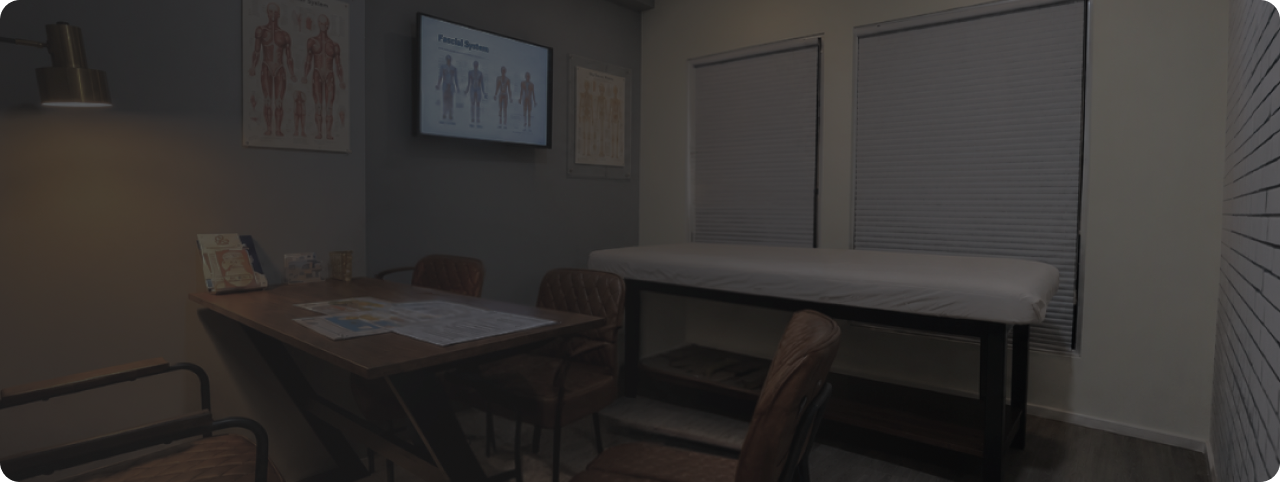
Book Your Free Bowen Therapy Consultation
Speak with one of our therapists, discuss your concerns and understand whether Bowen Therapy may be suitable for your needs.
- Free,No-Obligation Consultation
- Average client : Only 4 sessions*
- Over 1500 verified Client Reviews from Malaysia
- 4.8 Star Rated Service