

 WhatsApp Us
I am a regular client of Lorna at My Bowen Therapy and she has literally enabled me to double my weekly running training whilst avoiding injury. Any niggles that I get are immediately solved via Bowen, so that they do not escalate into injuries. Very often the cause of these niggles is nothing to do with the area where the pain is, and Lorna is skilled at finding the real source and treating that rather than what I have told her is the problem!!! I highly recommend you to try Bowen.

Bowen Therapy for Sports Injury Treatment in Kuala Lumpur (KL)
An Assessment-Led Approach to Sports Injury Care
People come to us for sports injury treatment in KL and across Malaysia with very different presentations, some with a fresh injury from a specific event, others with tennis elbow, a niggle or ongoing stiffness that has been building for months. We take the time to understand your symptoms, movement, posture and training history before discussing whether our approach may be appropriate.
A Personalised Assessment First
Your first visit starts with a personalised assessment to understand your symptoms, movement and individual circumstances. We then explain what we find and whether our assessment-led approach may be suitable for you.

700+ Google Reviews

22,000+ Clients Supported

TTDI & KLCC, Kuala Lumpur, Malaysia

Established in 2015

Physiotherapists Trained in Bowen

Free No-Obligation Consultation

What Is a Sports Injury?
A sports injury is any injury that occurs during sport, exercise or other physical activity. It may affect muscles, tendons, ligaments, joints or bones and can happen suddenly after a specific incident or develop gradually through repeated movement and overuse.
Some injuries happen suddenly, after a fall, twist, collision or awkward movement, while others develop gradually as the same tissues are repeatedly stressed without enough time to recover.
Because many sports injuries can cause similar symptoms regardless of how they began, understanding how your injury happened, how you move and what you’re experiencing is an important first step before deciding the most appropriate course of action.

Why Symptoms Can Vary
Two people with similar injuries may experience very different symptoms depending on the tissues involved, training load, movement patterns, previous injuries and individual factors. This is why assessment is more important than relying on symptoms alone.
Why an Assessment Matters
No two sports injuries are exactly the same. During your assessment, we take time to understand how your injury occurred, your symptoms, training history, movement, posture and goals before discussing whether our assessment-led Bowen Therapy approach may be appropriate for you.
Why Choose My Bowen Therapy for Sports Injuries?
At My Bowen Therapy, we believe every person deserves an individual assessment and personalised care tailored to their needs. Our goal is to help you better understand your body and support you on your journey towards improved movement, comfort and wellbeing.

Assessment-Led Care
Every appointment begins with listening to your story. We assess your symptoms, medical history, posture and movement to build a clearer picture of what you’re experiencing. Throughout your session, we continue to observe how your body responds, helping to guide a personalised approach to your care.

Experienced, Consistent Approach
Our therapists come from physiotherapy and sports science backgrounds and are all trained in our Bowen approach, working to shared My Bowen Therapy standards.

Personalised Care
Heel pain can present differently from person to person. Your care is tailored to your assessment findings, individual needs and how your body responds.

Whole-Body Approach
We don’t automatically focus only on the foot. Where relevant, we may also consider movement through the ankles, calves, knees, hips, pelvis and lower back.

Established in 2015
My Bowen Therapy has been established in Kuala Lumpur since 2015 and has supported more than 22,000 clients. Our two centres, in Damansara (TTDI) and KLCC, see people for plantar fasciitis treatment in Kuala Lumpur and for heel and foot pain treatment from across Malaysia.

Founder-Led Standards
Our therapists follow shared My Bowen Therapy standards developed by founder Lorna Mair, supporting a consistent approach to assessment and personalised care.
Client Reviews, Frozen Shoulder

700+
Public Google Reviews

3,500+
Verified In-Centre Reviews

4,200+
Combined Client Reviews

22,000+
Clients Supported

 Jeff Ross
I had a great experience from this treatment. I’ve waited 4 months since I had the treatment for my back injuries and I haven’t had any issues since. I’m a professional athlete playing tennis and this Bowen thereby really help me. Get back on the court quicker. The stuff was very Acomdating for request that I made to ensure I made my best recovery thanks a lot and I’ll be coming back to see you when I’m back in KL cheers.
Jason Taylor
My Bowen Therapy has been a life saver in my quest to return to my normal running lifestyle. It has been more than a year since I last managed to run due to my knee injury and the pain has been totally unbearable. Together with total rest and now treatment with Aazeen who has been a fantastic therapist, lots of progress is seen. I would definitely recommend Bowen with Aazeen as your therapist if you are planning to go under the knife as an option.
Quentin Howell”
I first visited My Bowen Therapy a few years ago for knee pain due to sports, and after just one session, the pain miraculously disappeared within a few days. It was incredible how the results lasted for over a year!
I went back for a second treatment about a year later, but this time the pain didn’t reduce as quickly, and I didn’t follow up with more sessions.
Now, three years later, I’ve returned to treat lower back pain from an old injury. I’m hopeful that Bowen Therapy can help alleviate this pain too.
The therapist, Hafiy is not only highly professional but also warm and attentive, ensuring each session feels personalized and effective. His expertise and genuine care make all the difference.
Would highly recommend My Bowen Therapy!
Jessica Miao Miao
Awards & Recognition

Readers’ Choice 2019
Winner, Natural Health Readers’ Choice Awards 2019.

Readers’ Choice 2018
Winner, Natural Health Readers’ Choice Awards 2018.

Superbrands 2016
Named Superbrands Malaysia’s Choice in 2016.

FHT Excellence 2016
Finalist, FHT Complementary Therapist of the Year 2016.

Natural Health
Featured in Natural Health Malaysia on complementary wellbeing.

RunSociety
Featured in RunSociety on Lorna Mair’s Bowen Therapy techniques.

BFM 89.9
Featured on BFM 89.9 Health & Living discussing Bowen Therapy.
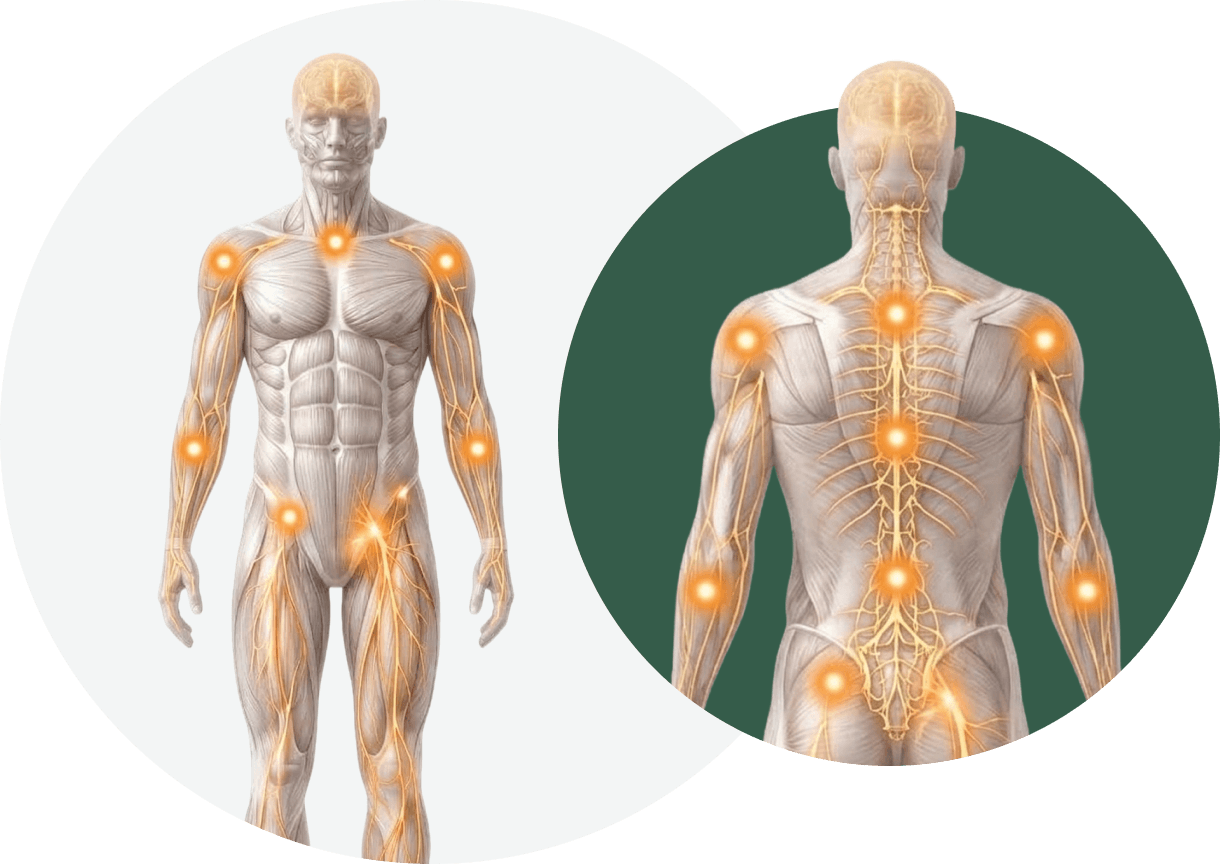
Why We Take a Full Body Assessment Before Therapy Starts
Two people can experience the same sports injury but recover very differently. Understanding how your injury happened, how your body is moving today, and what activities are important to you helps build a clearer picture before discussing the most appropriate next steps. Rather than focusing only on where it hurts, we take the time to understand your individual circumstances as part of every assessment.
Because every person’s injury, training history and movement patterns are different, we begin every appointment with a thorough whole-body assessment rather than focusing only on where you feel pain. We take the time to understand your symptoms, activity levels, posture, movement and relevant history before discussing whether our assessment-led Bowen Therapy approach may be appropriate for your individual needs.
By looking at how your body works as a connected system, we can build a clearer picture of what you’re experiencing and develop a personalised plan based on your assessment findings.
Looking Beyond the Symptoms
Understanding Fascia
Why It Matters
Empowering You Through Understanding
Looking Beyond the Symptoms
Your therapist may assess areas beyond where you feel your symptoms. Depending on what we find, treatment may involve gentle Bowen moves around the back, pelvis, hips, legs, neck or other relevant areas of the body.

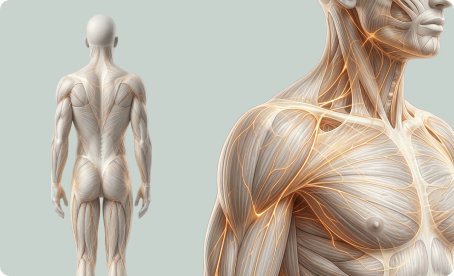
Understanding Fascia
Our assessment-led, fascia-focused approach aims to:
- Reduce muscular and fascial tension
- Support more comfortable movement and mobility
- Address areas of guarding or restriction identified during your assessment
- Support the way your body manages movement and physical load
Why It Matters
Treatment is individualised. Two people with the same MRI finding or disc diagnosis may have very different symptoms, movement patterns and areas of tension, so they may not receive the same treatment.
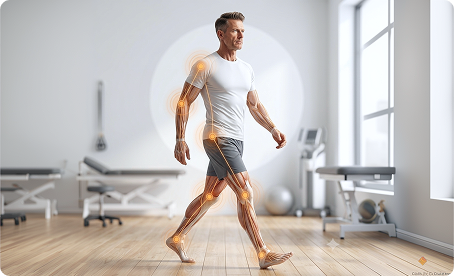
Empowering You Through Understanding
Bowen Therapy should not replace appropriate medical assessment or treatment where this is required.

Looking Beyond the Symptoms
Looking Beyond the Symptoms
Your therapist may assess areas beyond where you feel your symptoms. Depending on what we find, treatment may involve gentle Bowen moves around the back, pelvis, hips, legs, neck or other relevant areas of the body.
Understanding Fascia
Understanding Fascia
Our assessment-led, fascia-focused approach aims to:
- Reduce muscular and fascial tension
- Support more comfortable movement and mobility
- Address areas of guarding or restriction identified during your assessment
- Support the way your body manages movement and physical load
Why It Matters
Why It Matters
Treatment is individualised. Two people with the same MRI finding or disc diagnosis may have very different symptoms, movement patterns and areas of tension, so they may not receive the same treatment.
Empowering You Through Understanding
Empowering You Through Understanding
Bowen Therapy should not replace appropriate medical assessment or treatment where this is required.
Understanding Different Types of Sports Injuries
Sports injuries don’t all happen in the same way. Some occur suddenly during a specific activity, while others develop gradually after repeated training or movement. Understanding how your sports injury developed, together with your symptoms and goals, helps us build a clearer picture before discussing the most appropriate next steps.
Because no two people, sports or training routines are the same, every assessment considers your individual circumstances rather than relying on the injury name alone.

Acute Sports Injuries
Acute sports injuries happen suddenly, often during a specific movement, fall or collision. Examples include ankle sprains, hamstring strains, calf strains, muscle tears, ligament injuries and other impact-related injuries. Understanding exactly how the injury occurred provides valuable information during your assessment.
Overuse Sports Injuries
Overuse injuries develop gradually when muscles, tendons or other soft tissues are placed under repeated stress without enough time to recover. Common examples include runner’s knee, shin splints, Achilles pain, tennis elbow, golfer’s elbow, IT band syndrome and some shoulder injuries.
Training & Movement Factors
Training volume, technique, posture, movement patterns, recovery and previous injuries can all influence how a sports injury develops or why symptoms continue. Looking at the whole body helps us better understand what may be contributing to your individual situation.
Every Injury Is Different
The same sports injury can affect different people in different ways. Your symptoms, sporting activities, goals and medical history all help guide an assessment that is tailored to your individual needs rather than following a one-size-fits-all approach. This is also why, at our Kuala Lumpur centres, sports injury treatment starts with your assessment rather than your diagnosis.
Common Signs of a Sports Injury
Sports injuries can affect muscles, tendons, ligaments, joints and other soft tissues. Symptoms vary depending on the injury, how it occurred and how long you’ve been experiencing it.
Some injuries happen suddenly during activity, while others develop gradually over time. Understanding your symptoms is an important first step before deciding on the most appropriate course of action.

Pain & Discomfort
Pain is often the first sign of a sports injury. It may be sharp after a sudden movement or develop gradually during training. Some people notice pain only during activity, while others continue to feel discomfort afterwards or during everyday movements.
Swelling & Stiffness
Swelling, tenderness or stiffness can develop soon after an injury or gradually with overuse. These symptoms may affect movement, make joints feel restricted or reduce confidence when returning to sport.
Reduced Mobility
A sports injury may make it more difficult to move comfortably or perform activities that were previously easy. You may notice reduced flexibility or difficulty bending, reaching or putting weight through the affected area.
Weakness or Instability
Some injuries can make the affected area feel weak, less stable or unable to perform as it normally would. This may be noticeable when running, jumping, changing direction, lifting weights or returning to your usual sporting activities.
Common Sports Injuries We Support
Some sports injuries come up often enough that it’s worth explaining how we typically approach them. As with any presentation, your individual assessment always comes first.

Tennis Elbow
Tennis elbow describes pain and tenderness around the outside of the elbow, often associated with repetitive gripping or wrist movements, not only from tennis. It may affect grip strength and everyday tasks such as lifting or shaking hands. Our assessment looks at the elbow alongside the wrist, forearm and shoulder, since tension in those areas can be relevant to how the elbow feels.
Golfer’s Elbow
Golfer’s elbow is similar to tennis elbow but affects the inside of the elbow rather than the outside. It is commonly associated with repetitive gripping, throwing or swinging movements. As with tennis elbow, we consider the wrist, forearm and shoulder as part of a whole-body assessment.
Achilles Tendon Pain
Pain, stiffness or tenderness around the Achilles tendon is often associated with running, jumping or a sudden increase in training load. Some people notice it is worse first thing in the morning or after periods of rest. We assess the calf, ankle and foot together, since movement through all three can influence how the tendon is loaded.
Ankle Sprains
An ankle sprain typically follows a sudden twist or roll of the ankle. Once any significant injury has been medically assessed, some people continue to notice stiffness, swelling or reduced confidence in the joint. Where that is the case, an assessment can help us understand how the ankle and surrounding areas are moving now.
Our Dedicated Specialists in Assessment & Therapy
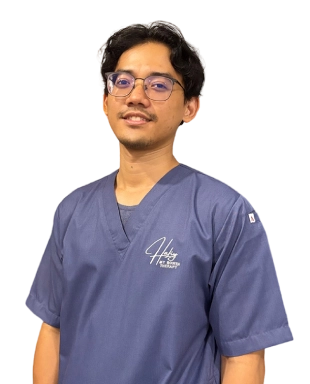
Senior Therapist Hafiy
Senior Pain Relief Specialist
Read Bio

Senior Therapist Hanan
Pain Relief Specialist
Read Bio

Senior Therapist Nurul
Senior Pain Relief Specialist
Read Bio

Therapist Olivia
Pain Relief Specialist
Read Bio

Senior Therapist Ala
Senior Pain Relief Specialist
Read Bio

Senior Therapist Aazeen
Pain Relief Specialist
Read Bio
What Happens During Your Sports Injury Assessment
Every sports injury assessment begins with a conversation about your symptoms, how your injury occurred, your sporting activities and your goals. We then assess how your body is moving to build a clearer understanding of your individual circumstances before discussing whether our assessment-led Bowen Therapy approach may be appropriate for you.

We Listen
We begin by understanding how your injury occurred, your symptoms, training routine, sporting activities and what you’re hoping to return to.

We Observe
We assess your posture, movement and how your body responds during simple functional movements to build a clearer understanding of your individual needs.

We Assess
We consider factors that may be contributing to your injury, including training load, movement patterns, previous injuries and soft tissue tension where appropriate.

We Explain
We explain our findings in straightforward language, answer your questions and discuss whether Bowen Therapy may be appropriate for your individual needs.

We Create Your Support Plan
If appropriate, we develop a personalised support plan based on your assessment findings, goals and current stage of recovery.

We Begin Your Care
Where appropriate, your first Bowen Therapy session usually takes place during the same appointment, with treatment adapted to your individual needs and comfort.
The My Bowen Therapy Approach to Sports Injury Treatment
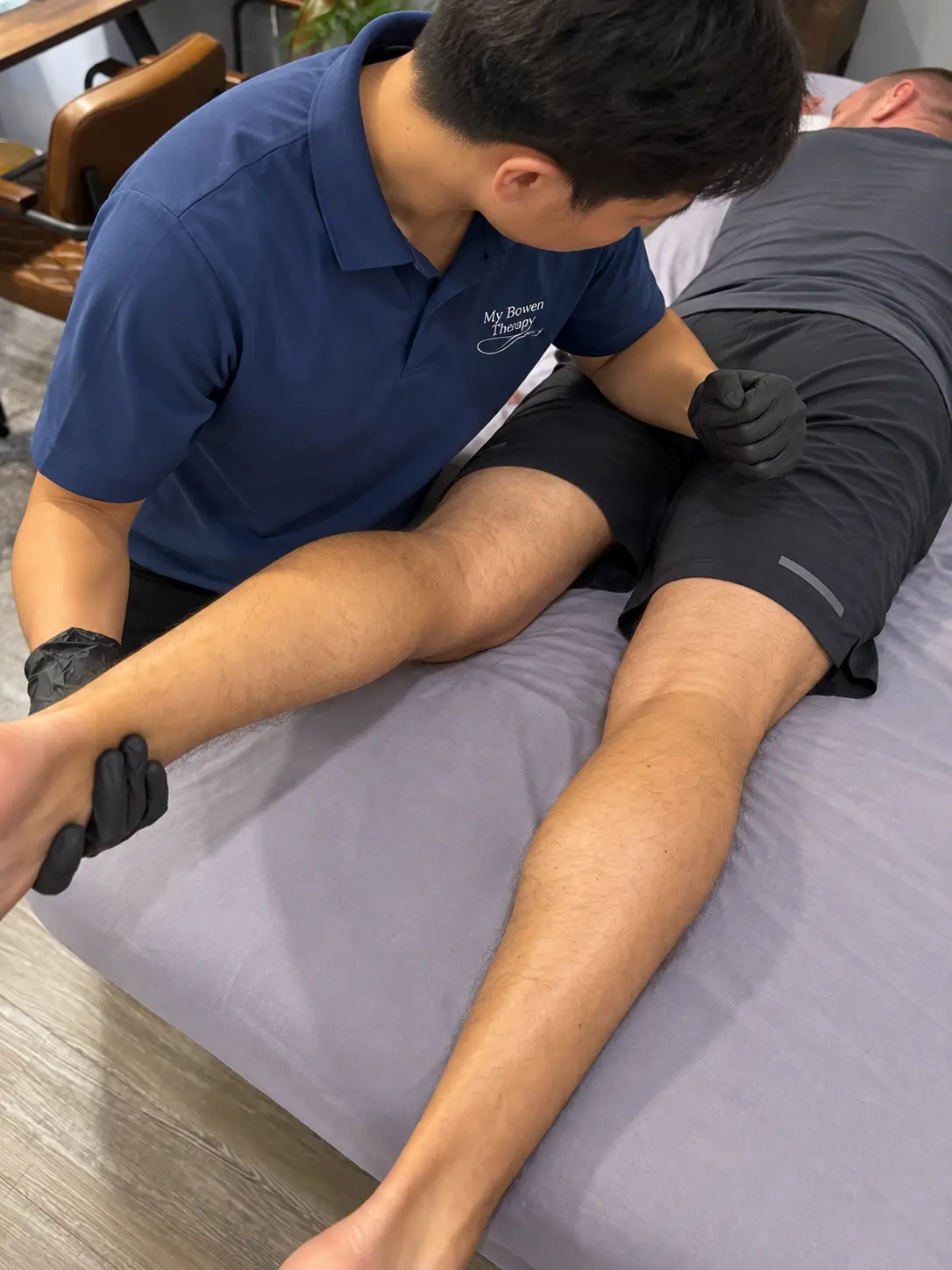
Every sports injury is different, so treatment isn’t a fixed protocol. Your session is guided by your assessment findings, your goals and how your body responds-adjusted as you recover rather than following the same plan from start to finish.

How the Injury Happened
Whether your injury happened suddenly during a specific movement, fall or collision, or developed gradually through training, understanding how it happened provides valuable context for your assessment.
Looking Beyond the Pain
Your therapist may also work with other areas identified as relevant during your assessment.
Movement & Recovery
Movement patterns, strength, flexibility and everyday activities all influence recovery. We consider these alongside your injury itself to help determine the most appropriate support.
Your Sporting Goals
Whether someone wants to return to running, football, badminton, tennis, pickleball, cycling, gym training or simply everyday activities, those goals help shape the recommendations we provide and how we plan ongoing support.
What to Expect During Your My Bowen Therapy Session

Tailored to You
Every session is tailored to your individual needs based on your assessment and how your body responds.

Remain Fully Clothed
Wear comfortable clothing that allows your therapist to assess and work effectively. Shorts, leggings, tracksuit bottoms or loose-fitting sportswear are ideal.

Gentle Hands-On Treatment
Your therapist uses gentle Bowen Therapy movements while continuing to observe your body’s response throughout the session.

Comfort Comes First
Most people find Bowen Therapy relaxing. Treatment is always adapted to your comfort levels, and any tenderness is usually temporary.

Before You Leave
Your therapist explains their findings, discusses the next steps and, where appropriate, provides simple exercises or practical advice to support your progress between sessions.
Ready to Take the Next Step?


Frequently Asked Questions
A sports injury is an injury that occurs during sport, exercise or physical activity. It may affect muscles, tendons, ligaments, joints, fascia, bones or other soft tissues. Some sports injuries happen suddenly after a specific incident, while others develop gradually as tissues are repeatedly exposed to physical demands over time.
Sports injuries don’t always have a single cause. They may occur when the demands placed on the body exceed what the tissues can comfortably tolerate at that time. Factors such as training load, recovery, previous injuries, tissue mobility, movement patterns and unexpected events may all influence how the body responds during sport or exercise.
An overuse injury develops gradually rather than from one specific incident. Repeated loading of muscles, tendons, ligaments or other tissues without sufficient time to adapt may contribute to symptoms over time. Common examples include shin splints, Achilles tendon pain, tennis elbow and plantar fasciitis.
The best approach depends on the type and severity of the injury. While some injuries may require a period of protection, current rehabilitation approaches often encourage appropriate movement and a gradual return to activity rather than prolonged complete rest. Because every injury is different, an assessment can help determine what is appropriate for your individual circumstances.
Pain doesn’t always tell the whole story. Previous injuries, movement patterns, tissue mobility, posture and training history may all influence how your body responds to sport and physical activity. A full-body assessment helps build a clearer understanding of the factors that may be relevant to your injury before discussing the most appropriate way forward.
Yes. We have two Kuala Lumpur locations, Damansara (TTDI) and KLCC, and both offer a free initial consultation with no obligation to continue. We also see people who travel from further afield across Malaysia.
Most sports injuries are not a medical emergency. However, you should seek prompt medical assessment if you experience a suspected fracture or dislocation, are unable to bear any weight on the affected area, notice significant swelling, numbness or loss of sensation, sustained a head injury of any kind, or have symptoms that are severe, worsening or not improving as expected. If you’re unsure whether your symptoms need urgent attention, it’s always safest to seek medical advice.
How We Can Help You with Other Therapy Services


Our Kuala Lumpur Locations
Visit My Bowen Therapy at our two convenient Kuala Lumpur locations for gentle, hands-on Bowen Therapy support with pain, posture, tension and movement concerns.

Damansara / TTDI Area
Glomac Damansara Block A, Level 2, Unit 5 A-02-05, Jalan Damansara, 60000 Kuala Lumpur
-
 Next to TTDI MRT station
-
 Convenient for TTDI, Bangsar, Mont Kiara and for anyone travelling from Petaling Jaya.
-
 Lift access available
-
 Open daily, 9:00am–5:00pm
KLCC / Etiqa Twins
KLCC-Etiqa Twins, Main Podium Level 2, Unit 2.5, 11 Jalan Pinang, 50450 Kuala Lumpur.
-
A short walk from KLCC, Bukit Bintang and the surrounding city-centre offices.
-
Convenient for office workers
-
Escalator & lift access available
-
Open Tuesday–Thursday : 9:00am–5:00pm
Ready to Take the First Step?
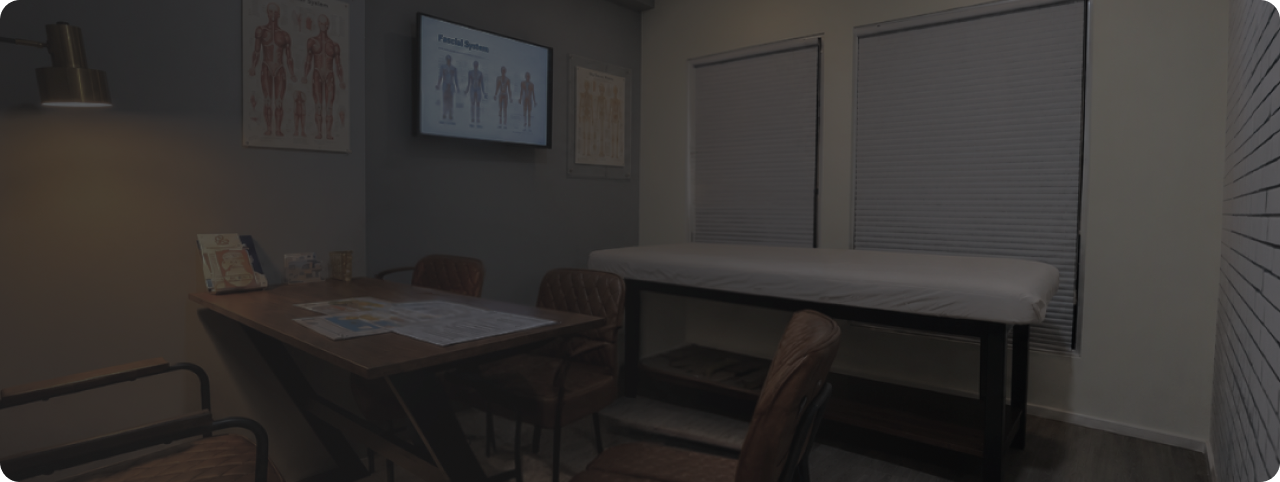
Book your FREE Consultation and Posture Assessment to find out whether the My Bowen Therapy approach may be right for you.
Your consultation includes
- Discussion about your symptoms
- Personalised posture and movement assessment
- Opportunity to ask questions
- Personalised recommendations